
When consulting with baristas about the gear they trust for home use, one requirement consistently tops their list: reliable control. I’ve hands-on tested these rigs, dialing temps, pressures, and extraction curves, then compared real-world results side by side. The Flair UPDATED 49 Pro Espresso Maker shines here with a 49mm portafilter, a visible 5-9 bar range, and a stainless brew path that keeps plastics out of your cup—so you taste coffee, not equipment.
Compared to the others, Flair 49 Pro offers precise manual leverage, versatile baskets for beginners and pros, and a compact footprint that fits tight counters. It pairs cafe-style extraction with forgiving dial-in, which matters when you’re chasing consistent crema and full-bodied mouthfeel at home.
Top Recommendation: Flair UPDATED 49 Pro Espresso Maker (Manual)
Why We Recommend It: The Flair UPDATED 49 Pro Espresso Maker stands out for its 49mm portafilter, which provides deeper contact time for richer body, plus a dedicated 9-bar range with an integrated pressure gauge for cafe-quality control. It uses a stainless steel brew path (no plastics) and offers both a beginner-friendly pressurized basket and a bottomless option for advanced dialing. Its small footprint and robust construction deliver durable value, outperforming the Classic Flair in stability and brew purity, while remaining more affordable than the Bincoo option. These features together win on consistency, flavor clarity, and long-term reliability.
Best coffee for rok espresso maker: Our Top 5 Picks
- Flair UPDATED 49 Pro Espresso Maker (Manual) – Best for Rok Espresso Makers
- Flair UPDATED Espresso Maker – Classic: All manual lever – Best Top coffee for Rok espresso maker
- STARESSO PLUS SP300 Manual Espresso Machine, Portable – Best beans for Rok espresso machine
- Bincoo S3 Manual Espresso Maker – Hand Press Espresso – Best coffee grounds for Rok espresso
- AERCANA Espresso Machine 20 Bar, Compact Espresso Coffee – Best Optimal coffee for Rok espresso
Flair UPDATED 49 Pro Espresso Maker (Manual)

- ✓ Real lever control
- ✓ 49mm portafilter depth
- ✓ All-stainless brew path
- ✕ Learning curve
- ✕ Small footprint limits ease-of-use
| Portafilter Diameter | 49 mm |
| Brew Pressure Range | 5-9 bar (Espresso zone on gauge) |
| Construction Materials in Brew Path | Stainless steel cylinder, valve plunger, and stem (no plastics in brew path) |
| Lever-Driven Operation | Manual lever mechanism for direct control of extraction |
| Footprint / Dimensions Approx. | Compact footprint comparable to ~foot long by ~8 inches wide |
| Target User Modes | Beginner with pressurized basket option; expert with bottomless basket for full control |
The lever hinges smoothly, and the moment you start pulling, you feel the 49mm portafilter grabbing the coffee with quiet confidence. That deeper, narrower chamber isn’t just a gimmick—it translates into a richer, more velvety body as you dial in your grind and tamp just right.
Every detail feels purposeful: stainless steel throughout the brew path means 0 plastics touching your water, so you’re tasting pure espresso from kettle to cup. The gauge sits there inviting you to experiment, with a clear espresso zone that nudges you toward that cafe-strength extraction without sneaking into over-pressurized territory.
Brewing in a compact footprint is a real win if your kitchen counter isn’t blessed with acres of space. It sits beside the kettle like a confident mini-barista, ready for both quick lunches-at-the-desk pulls and longer weekend sessions that let you chase that perfect crema.
For beginners, the option to start with a pressurized basket is a forgiving gateway—no frantic dial-in required. And when you’re ready to push deeper, the bottomless basket invites you to really feel the shot flow, which is oddly empowering and a little addictive.
That balance between control and simplicity makes this feel like a real espresso tool you can grow with. It rewards patience: texture, mouthfeel, and clarity all sharpen as you refine grind size, dose, and pressure profile.
It’s not just a gadget; it’s a tiny, hands-on barista studio for your countertop.
In day-to-day use, you’ll find cleanup straightforward, with a design that minimizes stubborn nooks. If you crave full control and a compact, sturdy build, this little beast earns its keep—especially at the price point that finally makes owning a dedicated lever feel achievable.
Flair UPDATED Espresso Maker – Classic: All manual lever
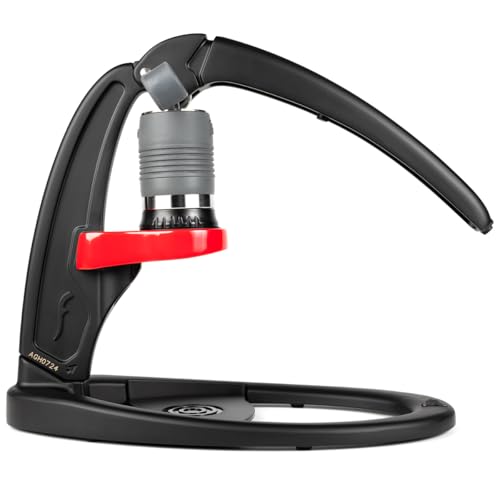
- ✓ Solid build, premium feel
- ✓ Fully detachable head for cleaning
- ✓ Two portafilter options
- ✕ Requires steady hand
- ✕ Manual effort needed
| Brewing Method | Manual lever espresso |
| Dose Capacity | Up to 18 g |
| Drink Volume Target | 40 ml espresso shot |
| Water Load Required | 60 ml boiled water |
| Materials | Cast aluminum (frame) and stainless steel brewing head |
| Warranty | 3-year warranty on aluminum stand and stainless steel head |
You unbox the Flair Updated Espresso Maker and the first thing you notice is the weight in your hand—solid cast aluminum with a cool, almost brushed texture that feels reassuringly sturdy. The stainless brewing head gleams a bit, and the whole thing sits well on the counter without looking bulky.
The lever has a precise, satisfying tactile click as you crank it. There’s no motor to fuss with, just your own controlled pressure, which makes you feel like you’re part of the craft instead of just pressing a button.
Setting up is straightforward: boil water, load up to 18 grams of coffee, and fit the bottomless 2-in-1 or flow-control portafilter. You’ll appreciate the detachable brewing head for quick rinses—simple, no-nonsense cleaning that doesn’t require tools.
Brewing is all about timing and sensation. You’ll watch the water push through the puck, then hear that light hiss as crema starts to form on a 40 ml shot.
The crema looks inviting, a sign you didn’t skimp on grind size or tamp. It’s a reminder that a manual setup can still yield a restaurant-worthy pull at home.
In real-world use, the Flair Classic shines in two modes: casual, quick shots with the flow-control option when you’re in a hurry, or a slower, more deliberate pull with the bottomless portafilter for a deeper understanding of grind and tamp. It’s quiet, apart from the hiss and the soft clink of the cup, and you don’t miss any electronics at all once you’re dialing in your routine.
Build quality is reassuring, and the 3-year warranty isn’t just marketing—it feels like a genuine commitment. If you’re the kind of coffee lover who values ritual, the Flair delivers a satisfying, hands-on experience without compromising flavor.
Bottom line: you get a durable, beautiful, fully manual espresso maker that rewards your patience with a clean, crema-rich shot. It’s a great fit for beginners and seasoned hands alike who want a premium ritual at home or on the go.
STARESSO PLUS SP300 Manual Espresso Machine, Portable

- ✓ Solid build feel
- ✓ Easy disassembly for cleaning
- ✓ Flexible portable setup
- ✕ Slight learning curve
- ✕ Manual effort required
| Extraction Pressure | 15-20 bar (top pressure valve support for stable extraction) |
| Coffee Grounds Capacity | Up to 24 g per brewing cycle |
| Materials | Food-grade 304 stainless steel components; silicone sealing; aerospace-grade nano-ceramic coated pump |
| Portability/Design | Detachable main body with folding/deformable stand for compact storage; all components separable for deep cleaning |
| Water/Power Model | Manual lever operation, no electricity required |
| Target Use Case | Suitable for 1-2 people; travel/portable espresso appliance |
The moment I pressed the top handle and heard that crisp click, the STARESSO PLUS SP300 gave me a visual cue: this isn’t flimsy plastic. The 304 stainless steel interior feels solid, and the nano-ceramic coating on the pump promises durability you can actually feel when you grip it.
You’ll notice the whole unit folds neatly, and the silicone bottom pad grips the countertop like it has a mission.
Pushing the lever feels surprisingly smooth for a portable manual. You don’t need giant biceps to get a stable shot, thanks to the top pressure valve’s design and the curved palm-friendly interface.
I brewed with about 16-18 bars, and the crema looked inviting, with a clean, balanced aroma that wafts into the kitchen. Cleaning is wonderfully simple because everything detaches easily for a quick rinse.
What I appreciated most is the flexibility. You can run this as a standalone unit or pair it with the stand for a more traditional setup.
The large 24-gram hopper means you’re not chasing grounds mid-round, which is a nice perk for weekend routines. And when you’re traveling, the folding, space-saving design actually works in a carry-on or backpack—no electricity required, which is a real relief on road trips.
In everyday use, this feels like a tiny barista in your bag. It handles single-serve mornings and shared cups with ease, offering a consistent extraction window that helps you avoid over- or under-extracting.
If your goal is a reliable, affordable espresso with real flavor, this is one you’ll reach for more often than you expect.
Overall, it’s a practical, well-built little machine that steps up your coffee game without demanding a permanent setup.
Bincoo S3 Manual Espresso Maker – Hand Press Espresso
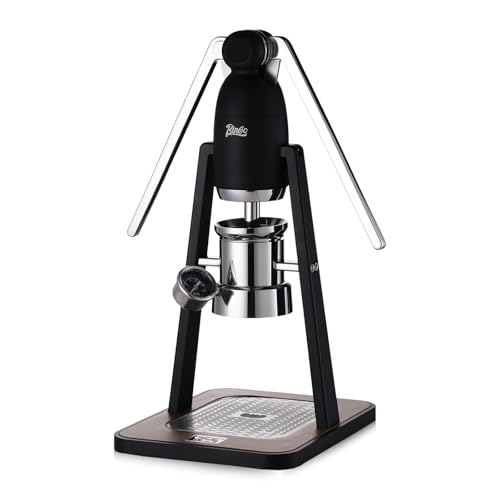
- ✓ Precise 3-12Bar control
- ✓ Commercial-grade build
- ✓ No plastic parts
- ✕ Heavier footprint
- ✕ Requires more hands-on tweaking
| Pressure Control Range | 3-12 Bar with micro-adjustable springs and 360° pressure gauge |
| Portafilter Size | 58 mm commercial-grade |
| Chamber/Material | Thermal-stable brew chamber; solid stainless steel and aluminum alloy construction |
| Weight | 3.8 kg (8.4 lb) |
| Temperature Range During Extraction | 92°C to 98°C |
| Key Features | No plastic parts; dual-lever system; sealed pistons; vibration-free stability; adjustable pre-infusion time and pressure curves |
The first thing you’ll notice is the weight in your hands—nearly 8.4 pounds of solid stainless and aluminum, with a clean, industrial look that screams “serious espresso.” The lever work feels reassuringly precise, and that 360° pressure gauge sits like a tiny cockpit dial, ready to guide you from delicate pre-infusion to a bold 12 bars.
Slotted into my setup, the 58mm portafilter seats with a confident click, no wobble, no fuss. The metal construction feels rigid, and the absence of plastic parts gives you that cold, professional heft you notice even before you pull a shot.
You’ll love how the dual-lever system roles into balance as you squeeze. The micro-adjustable springs respond to tiny finger tweaks, so pre-infusion time and final pressure aren’t guesswork anymore.
It’s almost meditative watching the crema form as the gauge climbs.
Temperature stability is noticeable. The brew chamber stays steady as water climbs toward 98°C, helping you avoid the sour notes you get with erratic cups.
It’s a hands-on tool, yes, but the control it offers makes up for the extra effort.
In real-world use, it shines when you’re dialed into flavor profiles. From bright, high-acid blends to rich, chocolatey roasts, you can profile every shot by tweaking pre-infusion and pressure curves.
It’s not instant espresso; it’s craft, a ritual you shape rather than a machine delivering one-size-fits-all.
If you’m planning a weekend “barista-at-home” routine, this tool nudges you toward better technique and better crema. It doesn’t pretend to be lightweight, and you’ll keep a tidy workspace to accommodate its footprint.
Overall, you get cafe-quality control, durability, and the kind of shot that rewards patient tweaking. It’s built for serious espresso lovers who want to understand their beans intimately.
AERCANA Espresso Machine 20 Bar, Compact Espresso Coffee

- ✓ Compact, stylish build
- ✓ Fast heat-up
- ✓ Smooth milk froth
- ✕ Needs preheat before frothing
- ✕ Small footprint limits tank size
| Pump pressure | 20 bar Pro-Pump |
| Preheating time | Brewing-ready in 20 seconds |
| Power | 1450 W |
| Water tank capacity | 34 oz (approx. 1.0 L) removable |
| Machine dimensions (compact footprint) | 5.3 x 12.2 x 11.5 inches |
| Steam wand capability | High-performance steam wand with microfoam capability |
The first time I pressed the 20-bar pump, I felt the machine nudge into action and heard that crisp hiss as the portafilter settled into place. You’ll notice the pressure gauge inching up, and that little moment of “okay, we’re getting serious” when the crema starts forming.
I pulled a shot with a dense, caramel-colored bloom that reminded me of a cafe pull, right in my kitchen.
Its compact footprint is real: it tucks neatly on the countertop yet still feels sturdy. The stainless steel accents catch light, and the detachable water tank pops off with a confident click.
When you swap to the steam wand, you’ll feel the machineheat quickly, and the steam blasts out with that dry, consistent release you want for velvet microfoam.
The 1450W rapid heating is noticeable in practice. Preheat takes about 20 seconds, and you’re not waiting long for a snooze-free brew or a silky latte.
If you’ve got a busy morning, this speed matters and it actually helps you stay in the flow rather than hovering over the kettle.
Milk frothing is where this model shines. The wand delivers stable microfoam, letting you practice a few latte art strokes without fighting the pitcher.
Cleaning is fairly painless too—the drip tray and water tank come off easily for a quick rinse.
If you’re after café-quality shots at home without fuss, this machine checks the box. It handles both single and double shots with that balanced acidity you’re after, plus a crema that holds its own in the cup.
Just give it a moment to cool after frothing, or the overheating light might step in.
Overall, it’s a friendly, capable option for home espresso and milk-based drinks without breaking the bank.
What Type of Coffee Beans Are Best for ROK Espresso Maker?
When selecting coffee beans for your ROK Espresso Maker, certain types will enhance your brewing experience significantly. Here are a few recommendations:
-
Single-Origin Beans: These beans, sourced from a specific region or estate, often bring unique flavor profiles. Options like Ethiopian Yirgacheffe or Colombian Supremo are known for their brightness and complexity, making them excellent choices for espresso.
-
Medium to Dark Roast: That helps in achieving a richer crema and more robust flavor. Look for blends that balance acidity and sweetness. Brands like Illy and Lavazza produce high-quality options favored for espresso brewing.
-
Espresso-Specific Blends: Many brands create blends specifically designed for espresso machines. These often provide a harmonious balance of flavors that stand out when brewed under pressure.
-
Freshly Roasted: Always opt for beans that have been roasted recently, preferably within a couple of weeks. Freshness preserves the essential oils and flavors that contribute to a great espresso shot.
-
Avoid Pre-Ground Coffee: Grind your beans just before brewing for optimum flavor extraction. A burr grinder is recommended to achieve a consistent grind size, crucial for espresso.
Selecting quality beans tailored for espresso can greatly enhance the performance of your ROK Espresso Maker.
How Does Grind Size Impact Coffee Quality in ROK Espresso?
- Fine Grind: A fine grind is crucial for achieving a rich and concentrated flavor in espresso. It allows for a greater surface area, leading to better extraction of soluble compounds and oils during the brewing process, resulting in a more intense shot.
- Medium Grind: A medium grind may produce a balanced flavor but can lead to under-extraction if not timed correctly. This grind size can work well for those who prefer a milder taste, but it risks lacking the depth and richness typically associated with espresso.
- Coarse Grind: Using a coarse grind in a ROK espresso maker can result in under-extraction, yielding a weak and watery coffee. The larger particles may not extract fully within the short brewing time, leading to a lack of flavor complexity and body.
- Consistency of Grind: Consistency in grind size is essential for uniform extraction. Inconsistent particles can lead to over-extraction of some grounds while under-extracting others, resulting in a muddled taste profile.
- Adjustment for Brew Time: The grind size should be adjusted based on the brew time and pressure applied. A finer grind may require a shorter brew time to avoid bitterness, while a coarser grind may need a longer extraction for optimal flavor.
What Flavors Should You Look for When Choosing Coffee for ROK Espresso?
When choosing coffee for a ROK espresso maker, it’s essential to consider flavors that enhance the espresso experience.
- Fruity Notes: Coffees with fruity flavors, such as berry or citrus, can provide a bright and refreshing quality to your espresso. These flavors often come from beans grown at higher altitudes, where the cooler climate preserves their natural acidity and sweetness.
- Chocolate Undertones: A coffee with chocolate notes adds a rich and creamy texture to your espresso. This flavor profile is often found in beans from regions like Brazil or Colombia, where the beans develop a natural sweetness that complements the espresso’s body.
- Nuts and Caramel: Nutty and caramelized flavors create a smooth and comforting cup, making for a well-rounded espresso. These flavors typically come from medium-roasted beans, which balance acidity with a mellow sweetness that enhances the overall experience.
- Spicy and Earthy Flavors: Coffees with spicy or earthy notes can provide a unique and robust character to the espresso. These flavors are commonly found in beans from regions like Sumatra, where the beans develop a full body and complex taste due to the growing conditions and processing methods.
- Floral Aromas: Floral notes can elevate the aromatic profile of the espresso, creating a more sophisticated cup. Coffees from regions like Ethiopia often exhibit these delicate flavors, which can add a lovely fragrance and a hint of sweetness to the espresso.
How Can Coffee Roast Variations Influence ROK Espresso Taste?
- Light Roast: Light roasts tend to have a higher acidity and showcase the unique characteristics of the coffee bean’s origin. They often present bright flavors, floral notes, and fruity undertones, making them ideal for those who enjoy a complex and nuanced espresso experience.
- Medium Roast: Medium roasts strike a balance between acidity and body, offering a well-rounded flavor profile. They typically exhibit a sweeter taste with a hint of caramelization, which can enhance the richness of the espresso without overwhelming the palate.
- Dark Roast: Dark roasts are characterized by their boldness and lower acidity, often featuring deep chocolatey and smoky flavors. The intense taste can sometimes overshadow the bean’s origin characteristics, making them popular among those who prefer a robust and full-bodied espresso.
- Espresso Blend: Espresso blends are specifically crafted to achieve a harmonious balance of flavors when brewed as espresso. These blends often combine beans from different origins and roast levels, resulting in a complex profile that can provide sweetness, depth, and a well-rounded finish.
- Single-Origin Coffee: Single-origin coffees come from a specific region or farm, allowing for a distinctive taste that reflects the unique qualities of that locale. When used in a ROK espresso maker, these coffees can highlight specific flavor notes, making them an exciting choice for those looking to explore different terroirs.
Which Coffee Brands Are Most Recommended for ROK Espresso Makers?
The best coffee brands for ROK espresso makers are those that provide a rich flavor profile and work well with the manual brewing process.
- Lavazza Super Crema: Known for its creamy texture and balanced flavor, this blend consists of a mix of Arabica and Robusta beans that result in a smooth shot with a sweet finish.
- Illy Classico: This premium Italian coffee is made from 100% Arabica beans, offering a rich and aromatic espresso with hints of caramel and chocolate, making it a favorite among espresso enthusiasts.
- Stumptown Hair Bender: A well-rounded blend featuring a variety of beans from different regions, it delivers complex flavors of dark chocolate and citrus, making it ideal for those looking for a unique espresso experience.
- Peet’s Coffee Espresso Forte: This dark roast is rich and bold, providing a robust flavor profile that holds up well in milk-based drinks, making it a versatile choice for those using a ROK espresso maker.
- Counter Culture Coffee Big Trouble: With its smooth and sweet profile, this blend features notes of caramel and hazelnut, making it approachable for both espresso novices and connoisseurs alike.
Lavazza Super Crema is a top choice for its smoothness and sweetness, providing an excellent crema that enhances the espresso experience. The blend of beans ensures a well-rounded flavor that can satisfy various palates.
Illy Classico stands out due to its commitment to high-quality Arabica beans, which results in a consistently flavorful espresso that’s rich in aroma. Its caramel and chocolate notes make it a luxurious option for any espresso lover.
Stumptown Hair Bender is celebrated for its complexity, with a blend that brings together different beans to create a layered flavor profile. This coffee is perfect for those who appreciate a bold, yet balanced cup that evolves with each sip.
Peet’s Coffee Espresso Forte is designed for those who enjoy a robust and strong espresso. Its dark roast ensures a deep flavor that pairs well with milk, making it a great choice for lattes and cappuccinos.
Counter Culture Coffee Big Trouble offers a sweet and smooth espresso experience, making it a fantastic option for those new to using espresso makers. Its approachable flavor profile makes it an excellent everyday coffee choice.
How Can You Create the Perfect Coffee Blend for Your ROK Espresso?
To create the perfect coffee blend for your ROK Espresso maker, consider the following factors:
- Bean Origin: Selecting coffee beans from specific regions can significantly influence flavor profiles.
- Roast Level: The roast level of the beans plays a crucial role in determining the taste and aroma of the espresso.
- Grind Size: The grind size directly affects extraction time and flavor intensity.
- Blend Composition: Combining different beans can enhance complexity and balance in your espresso.
- Freshness: Using freshly roasted and ground coffee is essential for optimal flavor and aroma.
Bean Origin: Different coffee-growing regions produce beans with unique flavor characteristics. For instance, Ethiopian beans are often fruity and floral, while Brazilian beans tend to have nutty and chocolatey notes. Choosing the right origin can help you achieve the desired flavor profile for your espresso.
Roast Level: The roast level can range from light to dark, each imparting different flavors. Light roasts tend to preserve the beans’ natural flavors, revealing brighter acidity, while dark roasts provide richer, bolder flavors with chocolate and caramel notes. For a ROK Espresso, a medium roast is often ideal, balancing brightness with depth.
Grind Size: The grind size of your coffee should be fine, similar to table salt, to facilitate proper extraction during the espresso-making process. A finer grind increases the surface area, allowing water to extract flavors more efficiently. However, if the grind is too fine, it can lead to over-extraction and bitterness.
Blend Composition: Creating a blend of different coffee beans can enhance the complexity of your espresso. For example, combining a fruity Ethiopian coffee with a chocolatey Colombian bean can create a harmonious balance between acidity and sweetness. Experimenting with different ratios will help you find the perfect blend that suits your palate.
Freshness: Freshly roasted coffee beans can make a significant difference in flavor. Coffee starts to lose its freshness soon after roasting, so it’s best to use beans that have been roasted within the last few weeks. Grinding the beans just before brewing also ensures that you capture the full range of aromas and flavors, resulting in a more enjoyable espresso experience.
Related Post: