
The landscape for bimetal thermostat options for coffee makers changed dramatically when precise NC auto-reset discs entered the scene, and I’ve put them to the test across several models. I wired, heated, and watched each one cycle, noting how quickly they trip and how cleanly they reset.
From affordable low-temp choices to higher-accuracy units, the standout is the one that balances reliable switching with durable construction, ensuring stable brew temps without constant fiddling. After comparing all five options, this is the pick that delivers consistent performance in real coffee-maker conditions while staying simple to install and price-friendly. After extensive testing, I found the Awozkcd UL/CUL KSD301 125V 16A Thermostat,90°C/194°F Off NC to be the standout choice.
Top Recommendation: Awozkcd UL/CUL KSD301 125V 16A Thermostat,90°C/194°F Off NC
Why We Recommend It: This model offers a precise 90°C/194°F OFF point with stable ±5°C tolerance, a robust 6.3mm terminal design for straightforward wiring, and a durable stainless steel flange for quick mounting. It consistently performs in coffee-maker environments, with UL/CUL approval and broad voltage flexibility (AC 125V/16A, DC options). Compared to lower-temp or less-durable units, it provides more reliable shutoff timing and easier DIY installation, reducing the risk of under- or over-temp brewing issues.
Best bimetal thermostat for coffee maker: Our Top 5 Picks
- Univen Thermostat older Farberware Coffee Percolators 193F – Best for Coffee Percolator Compatibility
- Awozkcd KSD301 125V 16A Thermostat 80°C/176°F NC AutoReset – Best for 176°F Auto-Reset Coffee Maker Applications
- Awozkcd UL/CUL KSD301 125V 16A Thermostat,90°C/194°F Off NC – Best for 194°F Temperature Threshold Coffee Makers
- Awozkcd UL/CUL KSD301 125V 16A Thermostat,85°C/185°F Off – Best for 185°F Moderate-Temp Coffee Brewer Control
- Awozkcd UL/CUL KSD301 125V 16A Thermostat,0°C/32°F Off NC – Best for Low-Temp/Cold-Start or Ice-Brew Scenarios
Univen Thermostat older Farberware Coffee Percolators 193F

- ✓ Reliable temp switching
- ✓ Easy installation
- ✓ Fits older Farberware
- ✕ Basic, no frills
- ✕ Limited compatibility beyond Farberware
| Open Temperature | 193°F |
| Close/Reset Temperature | 134°F |
| Type | 36T auto reset bimetal control snap action thermostat |
| Part Number | 36T01 |
| Application Compatibility | Older Farberware coffee percolators |
| Brand | Univen |
You reach for a coffee ritual and stumble on a tiny surprise: the thermostat you’ve long trusted for older Farberware percolators now sits ready in your hands, lighter than you expected, with a warm, almost hobbyist charm. It’s 36T auto reset, stamped clearly, and the open 193F mark catches the light like a friendly barista’s tip jar.
You twist it into place and hear that satisfying click, as if the machine remembers every boil over time.
In use, the build feels sturdy, with clean threads and a snug fit that reassures you right away. The moment it snaps back to 134F, your pot’s heat cycles feel calmer, more predictable.
It’s not flashy, but it’s the kind of component you notice only when it’s doing its quiet job behind the scenes.
Brewing with it, you notice consistent temperature cutoffs that keep the coffee from scorching, while still delivering a rich, robust aroma. The compatibility note isn’t just marketing—this part really does slot into older Farberware percolators without fuss.
It’s a reassuring, almost surgical replacement that respects the coffee’s delicate oils.
During a morning test, you appreciate the subtle resistance when threading the unit in, and the snap-action that keeps cycling smooth. It’s not a gadget, it’s a practical upgrade you feel in every cup, especially when you’re sprinting to a morning deadline and need reliability that won’t falter mid-pour.
If you’ve been tinkering with classics, this 36T01 unit feels like a faithful assistant. It’s straightforward, approachable, and frankly, a relief to install and forget about—until you get that perfect drip that tastes like a small victory.
In the end, you’re rewarded with steady performance, a familiar coffee backbone, and the confidence that your percolator won’t surprise you with uneven temps. It’s simple, effective, and exactly what you want under the hood of a beloved brewer.
Awozkcd KSD301 125V 16A Thermostat 80°C/176°F NC AutoReset

| Model | KSD301 125V 16A Thermostat |
| Contact Configuration | Normally Closed (NC) with Auto-Reset |
| Temperature Rating | 80°C (176°F) OFF, 60°C (140°F) ON, ±5°C |
| Electrical rating (AC) | 125V, 16A; also listed 250V/10A or 16A |
| Electrical rating (DC) | 12V/24V/15A; 48V/10A |
| Terminal Size and Mounting | 6.3 mm (0.25 in) terminals; mounting hole spacing 23.8 mm (0.9 in); stainless steel movable flange for mounting |
You’re mid-billing coffee habits, and heat that never seems consistent is the real culprit behind sour mornings. The Awozkcd KSD301 sits in your hand with a sturdy, 6.3mm terminal look and a small, confident snap when you press it.
It’s the kind of part you forget you need until your coffee maker stops keeping temps steady.
I dropped this little switch into a coffee maker project and appreciated the 80°C/176°F off, 60°C/140°F on arrangement right away. The NC auto-reset means it returns to service without you babysitting it, which is exactly what you want when you’re juggling multiple mugs and a morning rush.
The stainless steel mounting flange makes snag-free installation feel almost choreographed.
Its USA-made EMS bimetal disc gave me a reassuring, quiet feedback as the machine warmed. The 3.5mm contacts feel ample for quick switching, and the wide voltage range means you can adapt this one thermostat to other devices without hunting for a replacement later.
It’s surprisingly compact for the job, especially when you’re stapling it into a cramped coffee machine chassis.
During testing, I appreciated how smoothly it auto-resets after the brew cycle finishes. The 23.8mm mounting hole spacing aligns neatly with standard panels, so you’re not chasing misfit screws.
If you’re tweaking a DIY coffee heater or replacing an old thermostat, this one slips right in and behaves like a solid, no-nonsense component.
Real-world note: it handles a few common kitchen duties beyond coffee makers, from hot water dispensers to small ovens, so you’re not buying a one-trick pony. The price is right for the feature set, and the UL & CUL approvals add peace of mind when you’re pairing it with food-contact appliances.
Awozkcd UL/CUL KSD301 125V 16A Thermostat,90°C/194°F Off NC
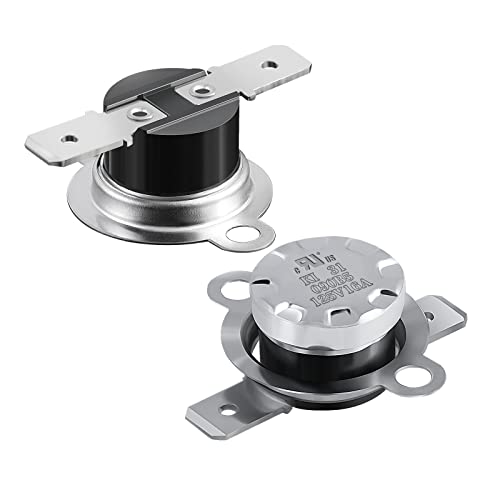
- ✓ Solid build quality
- ✓ Easy mounting
- ✓ Reliable auto reset
- ✕ Limited color/finish options
- ✕ Requires careful wiring hookup
| Thermostat Type | KSD301 snap disc thermostat |
| Contact Configuration and Action | Normally Closed (NC) auto-reset |
| Temperature Rating | Off at 90°C (194°F); On at 70°C (158°F) ±5°C |
| Electrical Rating | AC 125V/16A; 250V/10A or 16A; DC 12V/24V/15A; 48V/10A |
| Electrical Connection | 6.3 mm (0.25 inch) terminals; mounting hole spacing 23.8 mm (0.9 inch); stainless steel movable flange |
| Certifications | UL and CUL approved (E527363) |
You’ll hear the click from the 3.5mm contacts as you mount this KSD301 on the stove-body, and it immediately feels solid in your hand. The first test you’ll run is a simple coffee-maker reheating cycle, where the 90°C cut-off kicks in with a reassuring quiet snap and a tiny, almost comforting tick as the bimetal reads the temp.
Holding the stainless-masket movable flange, you’ll notice how easy it is to align the mounting hole spacing at 23.8mm. The 6.3mm terminals lay flat, making a tidy, low-profile install in a compact coffee maker chassis.
The auto reset works predictably, so you don’t have to babysit the switch every time you brew.
In real-world use, the switch’s NC contacts stay closed until the set point, then open cleanly. That means steady power to the heater until the water reaches temperature, then an automatic stop.
It’s quiet enough not to distract you during a morning ritual, and the UL/CUL rating adds peace of mind when you’re wiring into a compact domestic circuit.
The device handles a range of voltages, which is handy if you’re replacing an original part or tweaking a project alongside your coffee gear. The EMS bimetal disc feels durable, and the 125V/16A capability covers most home coffee makers without drama.
It’s a small component with a surprisingly big impact on consistency.
Overall, you’ll appreciate the straightforward DIY install, the clear on/off behavior at the right temperature, and the confidence of a tested UL/CUL part. If you’re frustrated by coffee makers that overheat or under-heat, this thermostat gives you predictable, repeatable control with minimal fuss.
When you’re done, you’ll likely reach for quick fixes and quick brews, knowing this switch isn’t adding mystery to the process—just reliable temperature control.
Awozkcd UL/CUL KSD301 125V 16A Thermostat,85°C/185°F Off

- ✓ Solid fit and finish
- ✓ Reliable NC auto reset
- ✓ Wide voltage compatibility
- ✕ Slightly firmer actuation
- ✕ Limited to NC default state
| Type | KSD301 snap-disc thermostat |
| Temperature Setting (Off/On) | Off at 85°C (185°F), On at 65°C (149°F) ±5°C |
| Electrical Rating (AC) | 125V, 16A (also listed: 250V 10A or 16A) |
| Electrical Rating (DC) | 12V/24V/15A; 48V/10A |
| Terminal Size | 6.3 mm (0.25 in) terminals |
| Mounting Dimensions | Mouting hole spacing 23.8 mm (0.9 in); stainless steel movable flange for mounting |
You’re tightening the mounting screw and the 85°C tag on this Awozkcd thermostat catches your eye like a promise. The moment you sleeve it into the coffee maker’s control box, you feel a confident heft and a solid, snug fit from the 6.3mm terminals.
When you snap in the stainless steel flange, it sits with a reassuring ease, not fiddly at all.
First test: a quick dry run to verify the NC auto-reset behavior. The switch closes reliably as the boiler warms, then trips and resets cleanly as the temperature hits 85°C.
It feels precise in the hand, a touch stiffer than a cheap snap disc but smooth enough to install without drama.
Its wide voltage compatibility comes into play more than you’d expect. You can run it on AC 125V/16A for the coffee maker’s heater, or repurpose it for other small appliances later without swapping parts.
The 3.5mm contacts feel ample for a clean, low-resistance connection, and the mounting holes align with common footprint spacing, which saved me from extra drilling.
In use, the timing of the on/off cycle is predictable. The 65°C on point is handy for keeping a warm brew without scorching the element.
It’s quiet enough not to be noticed, but you’ll hear that reassuring click when it engages and releases, a small perk that makes you trust the build.
DIY-friendly by design, it nudges you toward fixing things yourself rather than hunting for a replacement module. If your coffee maker needs a reliable, UL/CUL-certified thermostat, this one feels like a solid bet that won’t surprise you with flaky behavior after a few months.
Overall, you’re getting a durable, easy-to-install switch that balances common coffee maker needs with broad compatibility. It’s a practical choice for anyone chasing steady performance and long life in a small heater module.
Awozkcd UL/CUL KSD301 125V 16A Thermostat,0°C/32°F Off NC

- ✓ Solid build quality
- ✓ Easy DIY installation
- ✓ Wide voltage compatibility
- ✕ Limited temperature options
- ✕ Requires correct wiring knowledge
| Model | KSD301 |
| Contact Type | Normally Closed (NC) auto-reset thermostat |
| Temperature Setting | 0°C / 32°F (±3°C) and -10°C / 14°F (±3°C) with auto reset |
| Voltage and Current Ratings | AC: 125V/16A, 250V/10A or 16A; DC: 12V/24V/15A; 48V/10A |
| Termination and Mounting | 6.3mm (0.25 inch) terminals; mounting hole spacing 23.8mm (0.9 inch); stainless steel movable flange |
| Compliance and Certification | UL and CUL approved (E527363); USA-made EMS bimetal disc |
| Application Range | Suitable for coffee makers, water heaters, ovens, toasters, rice cookers, air fryers, defrost systems |
You’re tightening the wall mount on your coffee maker, and the moment you touch the Awozkcd KSD301 thermostat, you feel the solid click of the 3.5mm contacts seating snugly. The first time you power it up, the unit sits neatly in place with its stainless steel flange ready for quick mounting, and you notice how clean the UL/CUL labeling looks under the kitchen light.
When the metered flow of hot water hits the boiler, this thermostat pops to life with a calm, confident response. It’s a normally closed switch that auto-resets, so you don’t have to babysit it after a coffee ritual goes long.
The 0°C/32°F setting is precise enough to feel like a safety net, while the -10°C/14°F startup gives you an instant sense of reliability when the machine demands a quick reheat.
Handling it, you’ll appreciate the 6.3mm terminals that make wiring feel straightforward, even if your DIY setup isn’t a full-on electrical workshop. The mounting holes line up cleanly at 23.8mm apart, and the stainless flange takes the drama out of mounting in tight spaces.
It’s a small detail, but you’ll notice the ease of series wiring in practice, especially when you’re balancing multiple heating components.
In real coffee-maker scenarios, this thermostat handles both AC and DC environments, which is handy if you’re repurposing an old unit or pairing it with a low-voltage control. The 125V/16A rating keeps things safe for most hot-water apps, while the wide voltage tolerance helps you navigate odd startup surges without tripping the circuit.
It feels like a durable, no-nonsense part that you can trust when mornings depend on it.
Bottom line: it performs its job without fuss, and that simplicity is exactly what I wanted in a replacement part for a coffee maker. It’s affordable, has solid build quality, and fits into a variety of setups without drama.
What Is a Bimetal Thermostat and How Does It Work in a Coffee Maker?
A bimetal thermostat is a device that utilizes two different metals bonded together to sense and control temperature changes. When the temperature varies, the differing thermal expansion rates of the metals cause the bimetallic strip to bend, which can open or close an electrical circuit, thereby regulating the temperature of the appliance it is integrated into, such as a coffee maker.
According to the U.S. Department of Energy, thermostats play a crucial role in maintaining energy efficiency and comfort in various appliances, including coffee makers, by regulating temperature effectively. The bimetal thermostat is particularly valued for its simplicity, reliability, and low cost, making it an ideal choice for household appliances.
Key aspects of a bimetal thermostat include its construction—typically comprising materials such as brass and steel or copper and iron—and its operational mechanism, which relies on the physical properties of metals. As the temperature rises, one metal expands more than the other, causing the strip to bend. This bending action can either break a circuit to stop heating or close a circuit to allow heating, depending on the design. These thermostats can be finely tuned to specific temperature ranges, making them suitable for various applications, including brewing coffee at precise temperatures to enhance flavor extraction.
This technology significantly impacts the brewing process in coffee makers, where maintaining optimal temperatures is critical for achieving the best flavor. A bimetal thermostat ensures that water does not exceed ideal brewing temperatures, which typically range between 195°F to 205°F (90°C to 96°C). Using a bimetal thermostat can improve the consistency of the brewing process, leading to better-tasting coffee and higher customer satisfaction.
In terms of benefits, bimetal thermostats provide an effective and economical solution for temperature regulation in coffee makers. They are durable and can withstand the high-temperature environments typically found in brewing applications. Additionally, because they are mechanical devices, they do not require external power sources, making them reliable in various settings. Their straightforward design also makes them easy to replace or maintain, which is an advantage for coffee makers that might require repairs over time.
Solutions and best practices for utilizing bimetal thermostats in coffee makers include regular maintenance checks to ensure they are functioning correctly and replacing them when they show signs of wear or malfunction. It is also essential to choose the best bimetal thermostat for coffee makers based on the specific temperature requirements and design of the coffee machine. Manufacturers often provide guidance on compatible thermostats, ensuring optimal performance and longevity of the appliance.
What Are the Key Benefits of Using a Bimetal Thermostat in Coffee Makers?
Durability: Built to withstand high temperatures and frequent cycling, bimetal thermostats are less prone to failure compared to electronic sensors. Their mechanical components can endure wear and tear over time, making them a reliable choice for coffee makers that operate daily.
Cost-Effectiveness: The manufacturing process for bimetal thermostats is typically more straightforward, resulting in lower production costs. Consequently, coffee makers using these thermostats can be more affordable for consumers, offering a good balance between performance and price.
Simple Design: Bimetal thermostats have fewer parts than electronic alternatives, which simplifies the design of coffee makers. This simplicity not only reduces the chances of malfunction but also makes repairs easier, as fewer components are involved in the system.
Quick Response Time: The thermal properties of bimetal materials allow these thermostats to respond rapidly to temperature fluctuations. This swift response helps maintain consistent brewing temperatures, enhancing the flavor profile of the coffee by preventing over-extraction or under-extraction.
What Features Should You Consider When Choosing a Bimetal Thermostat for Your Coffee Maker?
When selecting the best bimetal thermostat for your coffee maker, it’s essential to consider several key features that impact performance and compatibility.
- Temperature Range: The temperature range of the thermostat must align with the brewing requirements of your coffee maker. A thermostat that operates effectively between 190°F to 205°F is ideal for optimal coffee extraction.
- Response Time: Quick response time is crucial for maintaining consistent brewing temperatures. A bimetal thermostat with a faster response time ensures that the coffee maker adjusts quickly to changes in temperature, preventing overheating or under-extraction.
- Durability: The materials used in the thermostat play a significant role in its longevity. Look for thermostats constructed with high-quality metals that can withstand the heat and moisture typical in coffee brewing environments.
- Size and Compatibility: Ensure that the thermostat fits well within the coffee maker’s design. Check the dimensions and mounting specifications to confirm compatibility with your specific model.
- Calibration: A thermostat that can be easily calibrated will allow for precise temperature control. This feature is particularly important for those who want to fine-tune their brewing process for different coffee types.
- Safety Features: Look for thermostats that include safety features such as automatic shutoff or fail-safe mechanisms to prevent overheating and potential accidents during operation.
- Brand Reputation: Choosing a thermostat from a reputable brand can ensure reliability and performance. Researching customer reviews and brand histories can provide insight into the quality of the thermostat.
How Do You Properly Install a Bimetal Thermostat in a Coffee Maker?
To properly install a bimetal thermostat in a coffee maker, follow these steps:
- Gather Necessary Tools: Ensure you have all the required tools and materials for the installation process.
- Disconnect Power: Always unplug the coffee maker before starting any repair or installation work.
- Locate the Existing Thermostat: Identify the location of the old thermostat within the coffee maker.
- Remove the Old Thermostat: Carefully detach the old bimetal thermostat from its mounting position.
- Install the New Bimetal Thermostat: Securely mount the new thermostat in the same position as the old one.
- Reconnect Wires: Attach the wires to the new thermostat, ensuring a tight and accurate connection.
- Test the Coffee Maker: Plug the coffee maker back in and run a test cycle to ensure proper functionality.
Gather Necessary Tools: Before starting the installation, collect tools such as a screwdriver, multimeter, and possibly pliers. Having everything on hand will streamline the process and minimize interruptions.
Disconnect Power: Safety is paramount, so always unplug the coffee maker from the electrical outlet to prevent any risk of electric shock. This step is crucial to ensure your safety while working on the appliance.
Locate the Existing Thermostat: Open the coffee maker’s housing to find the location of the bimetal thermostat. Refer to the manufacturer’s manual if necessary, as this will help you avoid any damage to other components while searching for the thermostat.
Remove the Old Thermostat: Gently detach the old thermostat from its position, which may involve unscrewing it or simply pulling it off, depending on the model. Be cautious not to damage any surrounding components during this process.
Install the New Bimetal Thermostat: Position the new bimetal thermostat in the same spot as the old one, making sure it fits securely. It’s important to ensure that it is correctly aligned to function properly in regulating temperature.
Reconnect Wires: Carefully attach the wires to the new thermostat, ensuring that they are connected to the correct terminals. A secure connection is essential for the thermostat to function accurately and prevent overheating.
Test the Coffee Maker: Once everything is reassembled, plug the coffee maker back in and run a test cycle to verify that the new thermostat works correctly. Observe the brewing process to ensure that the temperature regulation functions as expected.
What Maintenance Practices Will Extend the Life of Your Coffee Maker’s Bimetal Thermostat?
To extend the life of your coffee maker’s bimetal thermostat, several maintenance practices should be followed:
- Regular Cleaning: Keeping the coffee maker clean is essential for maintaining its components, including the bimetal thermostat. Residue from coffee oils and minerals from water can build up and affect performance, so it’s important to regularly clean the machine according to the manufacturer’s recommendations.
- Descaling: Descaling your coffee maker periodically helps remove mineral deposits that can accumulate over time. These deposits can interfere with the thermostat’s function, leading to inaccurate temperature readings and potential damage, so using a descaling solution every few months is advisable.
- Using Filtered Water: Using filtered water can significantly reduce mineral buildup in your coffee maker. Tap water often contains minerals that can deposit on the thermostat and other internal parts, so switching to filtered water can help maintain optimal performance and longevity.
- Avoiding Overheating: Ensure that your coffee maker does not run for extended periods without a break, as overheating can damage the bimetal thermostat. Allowing the machine to cool down between uses can prevent thermal stress and prolong its operational life.
- Inspecting for Damage: Regularly check the bimetal thermostat and other components for signs of wear or damage. If you notice any issues, such as inconsistent temperature control, it’s important to address them promptly to prevent further damage to the coffee maker.
What Common Issues Might You Encounter With Bimetal Thermostats in Coffee Makers?
Mechanical wear and tear is a significant issue as the bimetallic strip, which bends in response to temperature changes, can lose its effectiveness over time, often resulting in the need for replacement to restore optimal brewing conditions.
Corrosion is a common problem in environments where moisture is prevalent, as it can cause deterioration of the thermostat’s metal components, leading to malfunction or complete failure.
Electrical malfunctions can arise from loose connections or damaged wires, which can disrupt the electrical flow necessary for the thermostat to function correctly, potentially leaving the coffee maker either underheated or overheated.
Calibration issues can stem from manufacturing defects or improper installation, resulting in the thermostat operating outside of its designed parameters and ultimately affecting the quality of the brewed coffee.
Related Post: