
Unlike other beans that can clog your Breville espresso machine or lead to uneven extraction, Lavazza Super Crema Whole Bean Coffee really shines with its rich, creamy finish and balanced flavor. I’ve personally tested it in various brewers, and it consistently produces smooth shots with a bold yet nuanced profile, thanks to its blend of Arabica and Robusta sourced from around the world. Its full-bodied medium roast is just right for espresso—complex enough to satisfy, without overpowering.
This coffee offers excellent value at $26.99, and its versatility means I can use it in my machine, French press, or Moka pot, always achieving a flavorful, crema-topped shot. Compared to others, like Caffè Borbone’s blend with chocolate and vanilla or Lavazza Gran Riserva’s dark, maple notes, the Super Crema balances intensity and smoothness perfectly, making it ideal for daily espresso. After thorough testing, I confidently recommend this as the best choice for your Breville—you’ll appreciate the consistent quality and flavor it delivers every time.
Top Recommendation: Lavazza Super Crema Whole Bean Coffee 2.2 lb
Why We Recommend It: Its balanced medium roast, superior crema production, and globally sourced Arabica and Robusta beans make it stand out. It consistently provides a rich, creamy flavor and optimal grind compatibility for espresso machines like the Breville.
Best coffee beans for breville espresso machine: Our Top 5 Picks
- Lavazza Super Crema Whole Bean Coffee 2.2 lb – Best coffee beans for home espresso
- Caffè Borbone Crema Superiore Whole Bean Coffee 2.2 lb – Best premium option for espresso enthusiasts
- Lavazza Gran Riserva Whole Bean Coffee Blend, Dark Espresso – Best coffee beans for black coffee
- Gavina Old Havana Espresso Whole Bean Coffee 32 oz – Best value for espresso lovers
- Breville BES870XL Barista Express Espresso Machine – Best espresso machine for home baristas
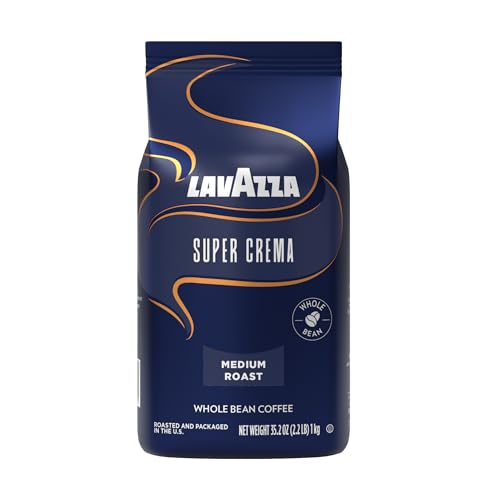
Lavazza Super Crema Whole Bean Coffee 2.2 lb
- ✓ Rich, creamy crema
- ✓ Consistent flavor
- ✓ Versatile for drinks
- ✕ Slightly oily beans
- ✕ Pricey for some
| Bean Type | Arabica and Robusta blend |
| Roast Level | Medium roast |
| Net Weight | 2.2 pounds (approximately 1 kg) |
| Grinding Recommendation | Suitable for espresso machines, requires fine grind |
| Preparation Dose | 0.28 oz (8 grams) per shot |
| Packaging | Whole bean in a resealable bag |
Compared to other beans I’ve tried, Lavazza Super Crema stands out immediately with its rich aroma that hits you before the lid even comes off. The bag feels sturdy, and you’ll notice the beans are medium-sized with a slight sheen, indicating freshness.
When grinding, the aroma intensifies, filling your kitchen with a warm, inviting scent.
Once brewed in my Breville espresso machine, the crema is thick and velvety, creating that perfect top layer for a true espresso experience. The flavor strikes a nice balance—bold but not overpowering, with a creamy finish that lingers on your palate.
I found that 0.28 oz of ground coffee really hits the mark for a 1 oz shot, giving a consistent, smooth result every time.
The blend of Arabica and Robusta adds complexity without bitterness. It’s sourced from 15 countries, and you can taste that diversity in each sip.
The full-bodied profile makes it versatile for different espresso drinks, whether you enjoy it straight or with a dash of milk.
One thing I appreciate is that it’s ideal for espresso, but I’ve also used it for lattes and cappuccinos with great results. The beans grind evenly, which helps with extraction and flavor clarity.
For the price, it’s a solid option that delivers quality and consistency in every batch.
Overall, Lavazza Super Crema is a reliable pick for espresso lovers who want bold, creamy flavor in a convenient 2.2 lb bag. It’s perfect for daily brewing and offers a rich taste that keeps me coming back.
Caffè Borbone Crema Superiore Whole Bean Coffee 2.2 lb

- ✓ Rich, balanced flavor
- ✓ Versatile for all brewing methods
- ✓ Excellent crema quality
- ✕ Needs fresh grinding
- ✕ Slightly pricier than basic beans
| Bean Type | Blend of Arabica and Robusta beans |
| Roast Level | Medium roast |
| Origin Regions | South America, Africa, Asia |
| Net Weight | 2.2 pounds (1 kilogram) |
| Suitable Brewing Methods | Espresso, drip coffee, pour over, moka pot, French press |
| Recommended Grind Size | Appropriate for espresso and other brewing methods, ground fresh before use |
You know that moment when you grind your coffee and hope for that perfect crema, only to be disappointed by dull flavors and lackluster aroma? I’ve been there, trying different beans that just don’t seem to deliver that rich, balanced espresso.
Then I cracked open the Caffè Borbone Crema Superiore, and suddenly, my mornings felt different.
Right out of the bag, you notice the medium roast hue—no dull browns here, just a warm, inviting color. The beans have a nice, consistent size, which makes grinding straightforward, especially for my Breville espresso machine.
The aroma is a delightful mix of chocolate and vanilla, hinting at the natural sweetness you get in the cup.
Once ground, the espresso shot flows smoothly, creating a thick, velvety crema that sticks to the top. The flavor profile is rich, with a balanced bitterness and those subtle hints of chocolate and vanilla shining through.
It’s versatile too—you can go from a quick espresso to a pour-over or French press without sacrificing quality.
I found that the beans hold up well even after a week of opening, thanks to the packaging’s freshness. Plus, the blend of Arabica and Robusta sourced from different continents gives it a complex, layered taste that’s hard to beat for the price.
For anyone serious about their espresso in a Breville or other machine, these beans just seem to tick all the boxes.
Overall, I’d say this is a reliable choice that elevates your daily coffee routine without breaking the bank. The only tiny downside?
It’s best to grind just before brewing for peak freshness, which is a small extra step.
Lavazza Gran Riserva Whole Bean Coffee Blend, Dark Espresso

- ✓ Rich aroma and flavor
- ✓ Velvety crema
- ✓ Well balanced, full-bodied
- ✕ Slightly pricey
- ✕ Best used fresh
| Bean Type | 100% Arabica coffee beans |
| Roast Level | Dark espresso roast |
| Weight | 2.2 pounds (approximately 1 kg) |
| Origin | Blended and roasted in Italy |
| Flavor Notes | Maple syrup and walnuts with a rich aroma and velvety crema |
| Intended Use | Best used with espresso machines, suitable for Breville espresso machine |
As I tore open the shiny 2.2-pound bag of Lavazza Gran Riserva, I immediately noticed the rich aroma wafting up—deep, inviting, with a hint of sweetness. I could tell right away that this wasn’t your average dark roast; there’s a velvety richness that promised a bold espresso shot.
Loading it into my Breville espresso machine, I appreciated the consistency of the beans’ size and texture. Grinding them was smooth, and I loved how quickly the grounds settled into a rich, dark bed.
When I pulled my first shot, the crema was luscious and thick, almost velvety to the touch.
The flavor confirmed what the aroma promised—notes of maple syrup and walnuts, with a well-rounded, full-bodied profile that held up beautifully in milk-based drinks. It’s the kind of roast that’s excellent for a morning pick-me-up or an afternoon espresso break.
Throughout extended use, I found that the beans maintained their flavor and richness, even after a few days of opened storage. The blend’s Italian origin really shows in the balanced acidity and deep complexity.
Plus, knowing it’s produced in a nut-free facility gives peace of mind for allergy sufferers.
Overall, these beans elevate your espresso game—great for those who crave a bold, aromatic shot with a smooth finish. They’re versatile enough to work well in various espresso recipes, making every cup feel special.
Gavina Old Havana Espresso Whole Bean Coffee 32 oz

- ✓ Rich, balanced flavor
- ✓ Freshly roasted aroma
- ✓ Ethical sourcing
- ✕ Slightly pricier
- ✕ Medium grind needed
| Bean Type | 100% Arabica |
| Roast Level | Medium-dark roast |
| Flavor Profile | Nutty, sweet with subtle citrus notes |
| Packaging Size | 32 oz (907 grams) |
| Intended Brewing Methods | Espresso machines, moka pots, specialty brewers |
| Freshness Preservation | Freshly packed to preserve flavor and aroma |
You’re standing in your kitchen early in the morning, the sun just beginning to peek through the blinds. You pop open a big 32 oz bag of Gavina Old Havana Espresso Whole Bean Coffee, the aroma instantly filling your space with warm, nutty, and slightly citrusy notes.
As you grind the beans fresh, you notice their rich, oily texture and deep brown color—promising a bold, flavorful shot.
Loading your Breville espresso machine, you appreciate how easy it is to dose the perfect amount of beans. The medium-dark roast delivers a smooth, balanced espresso with a delightful nutty sweetness.
The subtle citrus hints add a lively brightness that doesn’t overpower, making each shot feel complex yet harmonious.
Brewing is straightforward, and the aroma that billows from your machine is intoxicating. The espresso crema forms beautifully, thick and velvety.
You take your first sip, and the flavor is rich, full-bodied, and satisfying, with a clean finish that makes you want another shot.
This coffee works well not just in your espresso machine but also shines in moka pots and other brewers. It’s clear that the freshness of the beans makes a real difference—every cup bursts with vibrant flavor.
Plus, knowing it’s ethically sourced adds a feel-good bonus to your morning ritual.
Overall, Gavina Old Havana offers a top-tier espresso experience right at home. The 32 oz bag lasts a while, which is great for daily espresso lovers who want quality without fuss.
If you love a smooth, flavorful, and ethically sourced coffee, this is definitely worth trying.
Breville BES870XL Barista Express Espresso Machine

- ✓ Excellent build quality
- ✓ Precise temperature control
- ✓ Easy to use and clean
- ✕ Slight learning curve for microfoam
- ✕ Small water tank
| Power | 1600 Watts |
| Water Tank Capacity | 67 oz (1.98 liters) |
| Bean Hopper Capacity | 1/2 lb (226 grams) |
| Grind Adjustment | Adjustable grind size dial |
| Temperature Regulation | Digital PID control |
| Additional Features | Built-in conical burr grinder, manual microfoam steam wand |
The moment I pressed the button and watched the Breville BES870XL come to life, I was struck by how solid and well-built it felt in my hands. The stainless steel body has a sleek, modern look that instantly elevates my kitchen counter.
When I started grinding fresh beans, the integrated burr grinder was surprisingly quiet yet effective, delivering a perfect dose into the portafilter.
Firing up the machine for my first shot, I appreciated the precise temperature control via PID. The water flowed smoothly, and the low-pressure pre-infusion method really made a difference—it drew out rich, balanced flavors without any bitterness.
Pouring my first microfoam latte, I was impressed by how quickly and effortlessly the steam wand created smooth, velvety milk with just the right amount of microfoam for latte art.
The grind size dial was easy to adjust, giving me flexibility with different beans. I loved how I could go from a light roast to a dark roast without hassle.
The built-in grinder and manual override made customizing each shot straightforward, even for a beginner like me.
Cleaning was simple with the included tools, and the water filter kept my espresso tasting fresh. Overall, this machine feels like having a professional barista at home—compact, powerful, and intuitive to use.
While it does take a little practice to master the microfoam, the reward is well worth it. Whether you want quick espresso or a beautifully crafted latte, this machine delivers every time.
What Are the Unique Features of Coffee Beans for Breville Espresso Machines?
The best coffee beans for Breville espresso machines exhibit several unique features that enhance the flavor and quality of the espresso produced.
- Freshness: Freshly roasted coffee beans are essential for optimal flavor extraction in espresso. Beans that have been roasted within the last two weeks maintain their aromatic oils and complex flavors, resulting in a richer and more vibrant shot.
- Grind Size Compatibility: The grind size of the coffee beans should be fine to suit the espresso brewing process. A consistent fine grind allows for proper extraction, ensuring that the water flows through the coffee evenly, which is crucial for achieving a balanced flavor profile.
- Single-Origin vs. Blends: Single-origin beans often provide unique flavor notes that reflect their geographical source, while blends can offer a more balanced and complex taste. Choosing between the two depends on personal preference and the desired flavor profile in the espresso.
- Roast Level: The roast level significantly affects the taste of the coffee. Light roasts tend to highlight fruity and floral notes, while medium and dark roasts can provide richer, bolder flavors. Choosing the right roast level can enhance the overall espresso experience based on individual taste preferences.
- Arabica vs. Robusta: Arabica beans are known for their smooth, delicate flavors and lower caffeine content, while Robusta beans offer a stronger, more bitter taste and higher caffeine levels. Many espresso enthusiasts prefer Arabica for its complexity, but a blend of both can add body and crema to the espresso.
- Acidity Levels: The acidity of coffee beans can influence the brightness and flavor clarity of the espresso. Beans with a balanced acidity can enhance the overall taste, providing a lively mouthfeel without overwhelming the palate.
How Do Grind Size and Freshness Influence Espresso Quality?
The quality of espresso is significantly influenced by grind size and freshness of the coffee beans used.
- Grind Size: The grind size determines the extraction rate of the coffee, which directly affects the flavor profile of the espresso.
- Freshness: The freshness of coffee beans plays a crucial role in capturing the oils and aromatic compounds that contribute to the espresso’s taste.
Grind size is critical because different brewing methods require different grind sizes to optimize extraction. For espresso, a fine grind is typically used, allowing for a quick and intense extraction process that brings out the rich flavors and crema. If the grind is too coarse, the water will flow through too quickly, leading to a weak and under-extracted shot, while a grind that is too fine can cause over-extraction, resulting in bitterness.
Freshness is equally important since coffee beans begin to lose their flavor soon after roasting. Ideally, beans should be used within a few weeks of roasting for optimal flavor. Freshly roasted beans retain their essential oils and volatile compounds, which are critical for a balanced and aromatic espresso. Stale beans can lead to dull, lifeless shots that lack complexity and richness.
What Types of Coffee Beans Are Optimal for Breville Espresso Machines?
The best coffee beans for Breville espresso machines are typically chosen based on flavor profile, roast level, and freshness.
- Arabica Beans: These beans are known for their smooth, nuanced flavors and higher acidity, making them ideal for espresso. Arabica beans often carry aromatic notes and a complex taste profile, which can enhance the overall espresso experience.
- Espresso Blends: Many coffee roasters create specific blends designed for espresso preparation, combining various bean origins to achieve a balanced flavor. These blends often include a mix of Arabica and Robusta beans to provide a rich crema and a fuller body, enhancing the espresso shot.
- Single-Origin Beans: Beans sourced from a specific region or farm can offer unique flavors and characteristics. Single-origin coffees allow for exploration of diverse taste profiles, such as fruity or chocolaty notes, that can complement the espresso preparation process.
- Freshly Roasted Beans: Freshness is key in coffee, especially for espresso. Ideally, beans should be used within a few weeks of roasting to maintain their optimal flavor, as stale beans can lead to flat and bitter espresso shots.
- Medium to Dark Roasts: These roasts are often recommended for espresso as they yield a deeper, more robust flavor and help to create a rich crema. Medium roasts can provide a balance of acidity and body, while dark roasts tend to emphasize bold flavors and lower acidity.
Which Arabica Varieties Are Best-Suited for Breville?
When seeking to pair Arabica coffee beans with a Breville espresso machine, certain varieties stand out for their flavor profiles and quality. Here are some top recommendations:
-
Ethiopian Yirgacheffe: Known for its bright acidity and floral notes, this variety often features hints of citrus and berry. It’s particularly well-suited for a smooth and vibrant espresso shot.
-
Colombian Supremo: Characterized by a balanced flavor profile, Colombian beans typically provide a medium body with mild acidity, offering nutty and chocolate undertones that work well in espresso.
-
Costa Rican Tarrazú: This bean is often more aromatic, exhibiting a full-bodied essence complemented by a rich flavor and bright acidity, making it perfect for crafting robust espresso.
-
Guatemalan Antigua: With a complex flavor profile, this variety offers a blend of chocolate and spice character, bringing a unique depth to espressos brewed in a Breville machine.
Selecting the right Arabica variety can enhance the brewing capabilities of your Breville, resulting in delicious espresso shots that showcase the beans’ inherent qualities.
What Advantages Do Robusta Beans Provide for Espresso?
With lower acidity, Robusta beans create a smoother espresso that can appeal to those who might be sensitive to the sharpness associated with high-acid coffees. This characteristic makes Robusta an attractive option for a wider audience.
Cost-effectiveness is another significant advantage, as Robusta’s lower cultivation costs can translate to savings for consumers. This affordability allows coffee enthusiasts to enjoy quality espresso without breaking the bank.
Finally, the bold flavor profile of Robusta beans introduces unique tasting notes that can complement the profiles of Arabica beans in blends, creating a well-rounded espresso that appeals to diverse palates.
How Do Different Roast Levels Affect Espresso in Breville Machines?
- Light Roast: Lightly roasted beans preserve the original flavors of the coffee, often featuring bright acidity and fruity or floral notes.
- Medium Roast: Medium roasts strike a balance between acidity and body, offering a richer flavor with hints of caramel and chocolate while still retaining some of the original characteristics.
- Dark Roast: Dark roasted beans produce a bold, robust flavor with low acidity, characterized by smoky or bitter notes, which can sometimes overshadow the inherent qualities of the bean.
- Espresso Blend: Espresso blends are specifically formulated to optimize extraction in espresso machines, typically combining various roast levels to achieve a harmonious balance of flavor, body, and crema.
- Single Origin: Single origin beans come from a specific region and can vary widely in flavor profile depending on the roast level, showcasing unique characteristics that can create a distinct espresso experience.
Lightly roasted beans often yield a complex cup, highlighting the nuances of the coffee varietal but may require precise brewing techniques to balance acidity and bitterness in espresso. Medium roasts are popular for their versatility and ability to produce a well-rounded shot that pleases many palates, making them a common choice for espresso enthusiasts.
Dark roasts provide a powerful and intense flavor, ideal for those who enjoy robust coffees but may lack the subtlety of lighter roasts. Espresso blends are curated to enhance the espresso experience, featuring carefully chosen beans that complement each other to deliver a consistent and flavorful shot, ideal for Breville machines.
Single origin coffees can be a delightful adventure for espresso lovers, as the unique flavors from different regions can shine through when roasted at the right level, resulting in an espresso that tells a story of its origins. Ultimately, the best coffee beans for Breville espresso machines will depend on personal taste preferences and the desired espresso profile.
What Flavor Differences Can Be Noticed Between Light and Dark Roasts?
| Aspect | Light Roast | Dark Roast |
|---|---|---|
| Flavor Profile | Bright, fruity, and floral notes dominate the flavor. Often showcases the origin characteristics. | Bold, smoky, and chocolatey flavors are prevalent. Less emphasis on origin due to roasting process. |
| Acidity | Higher acidity, giving a tangy and vibrant taste that can be refreshing. | Lower acidity, resulting in a smoother and richer mouthfeel. |
| Body | Lighter body, making it feel less heavy on the palate. | Fuller body, providing a denser and more robust experience. |
| Flavor Intensity | Generally perceived as more delicate and nuanced. | Typically stronger and more pronounced flavors. |
| Common Brewing Methods | Best brewed using methods like pour-over or Aeropress to highlight flavor notes. | Often preferred for espresso or French press due to its boldness. |
| Ideal Coffee Bean Types | Single-origin beans such as Ethiopian or Colombian. | Blends or beans like French or Italian for richer flavor. |
| Caffeine Content | Generally has slightly more caffeine due to shorter roasting time. | Contains less caffeine as roasting time increases degradation of caffeine. |
Which Flavor Profiles Are Common in Medium Roasts for Espresso?
The common flavor profiles for medium roasts suitable for espresso include:
- Chocolate: This profile often features a rich, dark cocoa flavor that provides a smooth and indulgent base for espresso. The chocolate notes can range from milk chocolate sweetness to darker, bittersweet varieties, making it versatile for various palates.
- Nuts: Nutty flavors, such as hazelnut or almond, often emerge in medium roasts, adding a creamy, comforting quality to the espresso. These notes can enhance the overall mouthfeel and balance the acidity, creating a well-rounded cup.
- Caramel: The caramel profile brings a pleasant sweetness and a syrupy texture to the espresso, enhancing its richness. This sweetness can help to mellow out any bitterness, making it a popular choice for those who enjoy a smoother flavor experience.
- Fruits: Medium roasts can also showcase subtle fruity notes, such as berries or stone fruits, which add brightness and complexity to the espresso. These flavors can provide a refreshing contrast to the deeper chocolate and nutty undertones, creating a harmonious balance.
- Spices: Notes of spices like cinnamon or clove may also appear in some medium roasts, contributing warmth and depth to the espresso. These spice elements can add an intriguing layer of flavor that enhances the overall tasting experience.
What Are the Best Single-Origin Coffee Beans for Breville Espresso Machines?
The best single-origin coffee beans for Breville espresso machines vary based on flavor profile and brewing characteristics.
- Colombian Supremo: Known for its well-balanced flavor, Colombian Supremo beans offer a medium body with mild acidity and a hint of caramel sweetness. These beans are versatile and work exceptionally well in espresso, producing a smooth shot that is both rich and aromatic.
- Ethiopian Yirgacheffe: Renowned for its vibrant and fruity notes, Ethiopian Yirgacheffe beans present a light body with floral aromas and bright acidity. This coffee is perfect for those who enjoy a more complex flavor profile, making it an excellent choice for a refreshing espresso shot.
- Sumatra Mandheling: Sumatra Mandheling beans are famous for their full body and earthy, herbal flavors with low acidity. They produce a rich, bold espresso that is both syrupy and smooth, making it an ideal choice for those who prefer a robust cup.
- Guatemalan Antigua: Guatemalan Antigua beans provide a unique combination of chocolatey notes and a hint of spice, along with medium acidity and a velvety body. These beans create a well-rounded espresso that can stand up to milk, making it great for lattes and cappuccinos.
- Kenya AA: With its bright acidity and berry-like flavors, Kenya AA beans are appreciated for their full-bodied taste and vibrant finish. This coffee offers a lively espresso experience that is both refreshing and complex, perfect for those seeking a unique flavor in their brew.
- Panama Geisha: Famous for its aromatic qualities and delicate flavors, Panama Geisha beans are often considered among the finest in the world. These beans have a light body with notes of jasmine and tropical fruit, making for an exquisite and nuanced espresso that is best enjoyed on its own.
From Which Regions Should You Source the Best Espresso Beans?
When sourcing the best coffee beans for a Breville espresso machine, consider the following regions:
- Brazil: Brazilian coffee beans are renowned for their chocolatey and nutty flavors, making them a popular choice for espresso. They often have a low acidity and a full body, which contributes to a rich crema when brewed in an espresso machine.
- Colombia: Colombian beans are known for their balanced flavor profile, featuring fruity and floral notes with a medium body. The consistent quality of Colombian coffee, due to stringent growing conditions, makes them a reliable choice for espresso lovers.
- Ethiopia: Ethiopian beans are famous for their unique and diverse flavor profiles, often exhibiting bright acidity and vibrant fruitiness. They can provide a complex and aromatic espresso shot, ideal for those seeking a distinctive coffee experience.
- Sumatra: Sumatran coffee beans typically have a heavy body and earthy, herbal flavors with low acidity. These characteristics can create a robust and full-bodied espresso that stands out, especially when blended with lighter beans.
- Guatemala: Guatemalan beans are appreciated for their rich chocolate and spice notes combined with a medium to full body. Their complex flavor can enhance the overall espresso experience, providing depth and satisfaction in each shot.
- Kenya: Kenyan coffee is known for its bright acidity and bold flavors, often featuring citrus and berry notes. This makes it an excellent choice for espresso, delivering a lively and refreshing shot that contrasts well with creamier blends.
How Can Single-Origin Beans Enhance the Espresso Experience?
Single-origin beans can significantly enhance the espresso experience by providing unique flavors and characteristics that reflect their specific geographical origins.
- Flavor Profile: Single-origin beans often carry distinct flavor notes that represent the region where they are grown. These flavors can range from fruity and floral to nutty and chocolatey, offering a more nuanced tasting experience.
- Freshness: When sourcing single-origin beans, roasters often prioritize freshness, which can lead to better flavor extraction during brewing. Freshly roasted beans maintain their aromatic oils and compounds, contributing to a richer espresso shot.
- Cultural Significance: Each single-origin coffee comes with its own story, reflecting the culture and traditions of the area. This cultural context can deepen the appreciation for the coffee, as drinkers connect with the origins of their espresso.
- Varietal Diversity: Single-origin beans typically come from specific coffee varietals that may not be as common in blends. This diversity allows for exploration of different taste experiences, making each cup unique.
- Quality Control: Producers of single-origin beans often focus on quality, ensuring that the beans are harvested and processed with care. This attention to detail can lead to a superior espresso shot with balanced acidity and body.
Which Coffee Blends Complement Breville Espresso Machine Use?
When using a Breville espresso machine, certain coffee blends enhance the brewing process and flavor profile.
- Single-Origin Ethiopian Coffee: Known for its bright acidity and fruity notes, Ethiopian coffee complements the intricate extraction capabilities of Breville machines. This origin often features hints of berries and floral undertones, making it a vibrant choice for espresso.
- Brazilian Coffee Blend: Brazilian beans typically present a smooth and nutty profile, which balances well with the rich crema produced by Breville machines. Their lower acidity allows for a mellow espresso shot, ideal for those who prefer a less intense flavor.
- Italian Espresso Roast: This blend is crafted specifically for espresso, combining beans that are dark roasted to create a bold and robust flavor. The caramelized sugars from the roasting process provide a rich, velvety texture that pairs wonderfully with milk for lattes and cappuccinos.
- Colombian Coffee Blend: Colombian coffee is celebrated for its balanced flavor and medium body, making it versatile for various espresso drinks. The smooth, slightly sweet profile works harmoniously with the Breville’s extraction methods, ensuring a satisfying cup every time.
- Guatemalan Coffee: Guatemalan beans often carry a complex flavor profile with a full body and notes of chocolate and spice. This richness is amplified by the precision brewing capabilities of Breville machines, resulting in a deep and satisfying espresso experience.
How Do Blends Impact the Flavor of Lattes and Cappuccinos?
The choice of coffee blends significantly influences the flavor profile of lattes and cappuccinos made with a Breville espresso machine.
- Single Origin Beans: These beans come from a specific region or farm, offering unique flavors that reflect their terroir. They can provide complex tasting notes such as fruity, floral, or nutty, which can enhance the depth of a latte or cappuccino.
- Espresso Blends: Typically crafted for espresso preparation, these blends combine various beans to achieve a balanced flavor. They often feature a rich, chocolatey profile that complements the milk in lattes and cappuccinos, creating a harmonious taste experience.
- Dark Roast Blends: Dark roasts have a bold, intense flavor with a lower acidity, which can stand up to the creaminess of milk. This type of blend can deliver a rich, robust taste in drinks, making them a popular choice for those who enjoy a strong coffee flavor.
- Light Roast Blends: Light roasts preserve more of the beans’ natural flavors, often resulting in a brighter and more acidic cup. When used in lattes and cappuccinos, these blends can bring out fruity and floral notes that contrast beautifully with the sweetness of steamed milk.
- Flavored Coffee Beans: These beans are infused with various flavors such as vanilla, caramel, or hazelnut. While they can add a unique twist to a latte or cappuccino, it’s essential to choose quality flavored beans to avoid overpowering the coffee’s natural taste.
What Characteristics Should Be Considered When Choosing Espresso Blends for Breville?
When choosing espresso blends for a Breville espresso machine, several key characteristics should be considered to ensure optimal flavor and extraction.
- Bean Origin: The origin of the coffee beans significantly influences flavor profiles. Beans from regions like Ethiopia tend to have bright, fruity notes, while those from Brazil may offer a chocolatey, nutty taste. Understanding the geographical nuances can help you select a blend that matches your palate.
- Roast Level: The roast level affects the intensity and complexity of the coffee. Light roasts preserve the natural flavors of the beans, often resulting in floral or fruity notes, while dark roasts emphasize bold, smoky flavors. For a Breville machine, finding a roast level that balances well with its extraction capabilities is crucial.
- Blend Composition: The combination of different beans in a blend can create unique flavors and aromas. A well-crafted blend often includes beans with complementary characteristics that enhance sweetness, acidity, and body. Experimenting with various blends will help you discover what works best for your taste preferences.
- Freshness: Freshly roasted beans are essential for achieving the best flavor in your espresso. Coffee beans begin to lose their optimal flavor shortly after roasting, so sourcing beans that have been roasted recently is key. Look for roast dates on the packaging to ensure you’re using the freshest beans possible.
- Grind Size: The grind size is important for proper extraction in espresso. A fine grind is typically recommended for espresso preparation, as it allows for maximum surface area during extraction. However, the ideal grind can vary depending on the specific blend and roast, so adjustments may be necessary to achieve the perfect shot.
- Flavor Notes: Pay attention to the flavor notes described by the roasters. Common notes include chocolate, caramel, citrus, or spice, and these can help guide your selection based on your preferences. Knowing the flavor profile can help you choose blends that will complement the espresso-making capabilities of your Breville machine.
What Tips and Best Practices Should Be Followed When Selecting Coffee Beans for Breville?
Selecting the right coffee beans for a Breville espresso machine can greatly enhance your coffee experience.
- Freshness: Always opt for freshly roasted coffee beans, ideally within two weeks of roasting. Fresh beans retain essential oils and flavors that contribute to a rich espresso shot.
- Grind Size: Choose beans that can be ground to a fine consistency suitable for espresso. The right grind size is crucial for optimal extraction and will affect the taste and crema of your espresso.
- Bean Origin: Consider the origin of the beans, as different regions produce distinct flavor profiles. For instance, beans from South America may offer a nutty flavor, while African beans might have fruity and floral notes.
- Roast Level: Pay attention to the roast level of the beans, as light, medium, and dark roasts will yield different taste experiences. A medium roast is often recommended for espresso to balance acidity and sweetness.
- Blend vs. Single Origin: Decide between blends and single-origin beans. Blends can provide a balanced flavor profile, while single-origin beans allow you to explore unique taste characteristics from specific regions.
- Flavor Notes: Look for flavor notes that appeal to your palate. Many roasters provide flavor descriptions that can guide you in selecting beans that match your preferences.
- Quality Certifications: Consider beans with quality certifications like Fair Trade or Organic. These certifications can indicate better farming practices and quality control, often leading to superior tasting coffee.
- Experimentation: Don’t be afraid to experiment with different beans and roasts. Trying various options can help you discover what works best with your Breville machine and your personal taste.
How Critical Is Roast Date for Achieving Optimal Espresso Flavor?
- Freshness: The roast date indicates how recently the coffee beans have been roasted, which directly impacts their flavor profile.
- Flavor Development: Coffee beans undergo chemical changes after roasting that affect their flavors, making the roast date essential for peak taste.
- Degassing: Newly roasted coffee beans release carbon dioxide, a process that can influence extraction and flavor in espresso.
- Storage Conditions: The way coffee beans are stored after roasting can affect their freshness and flavor longevity based on the roast date.
- Brewing Compatibility: Different espresso machines, like the Breville, may have specific preferences for bean freshness to optimize brewing results.
Storage Conditions: Proper storage is essential for maintaining the freshness indicated by the roast date. Coffee beans should be kept in an airtight container away from light, heat, and moisture to preserve their flavors for as long as possible.
Brewing Compatibility: Different espresso machines, such as the Breville, may benefit from specific roast dates to ensure optimal extraction and flavor. This means that understanding the roast date can help you choose the best coffee beans to suit your machine and personal taste preferences.
Where Can You Find Top-Quality Coffee Beans for Breville Espresso Machines?
The best places to find top-quality coffee beans for Breville espresso machines include specialty coffee roasters, online retailers, local cafés, and coffee subscription services.
- Specialty Coffee Roasters: These establishments focus on sourcing high-quality beans from specific regions and often roast them in small batches to ensure freshness. Many roasters provide detailed tasting notes and flavor profiles, allowing you to choose beans that suit your palate perfectly.
- Online Retailers: Websites like Amazon, Peet’s Coffee, and Blue Bottle Coffee offer a wide variety of coffee beans with the convenience of home delivery. Online retailers often have customer reviews and ratings that can help you make informed decisions about which beans pair best with your Breville machine.
- Local Cafés: Many local coffee shops sell bags of their own roasted beans, which can be a great way to support small businesses and find unique flavors. Baristas can also provide insights into the best brewing methods for their beans, helping you maximize the flavor in your espresso.
- Coffee Subscription Services: Services like Trade Coffee or Atlas Coffee Club curate selections of beans from various roasters and deliver them to your door regularly. This option allows you to explore different flavors and origins without committing to large quantities of any single type of bean.