
Looking for the best best coffee espresso machine for home? We’ve tested the top options to help you make an informed decision. Quality, durability, and value are key factors to consider. After extensive testing, I found the Breville BES870XL Barista Express Espresso Machine to be the standout choice.
Top Recommendation: Breville BES870XL Barista Express Espresso Machine
Why We Recommend It: This product offers excellent features and value in the best coffee espresso machine for home category.
Best coffee espresso machine for home: Our Top 5 Picks
- Breville BES870XL Barista Express Espresso Machine – Best semi-automatic espresso machine
- De’Longhi Stilosa Manual Espresso & Milk Frother – Best for beginners
- Breville BES870BTR Barista Express Espresso Machine – Best premium option
- Mr. Coffee 4-Shot Steam Espresso Cappuccino and Latte Maker – Best budget espresso machine
- Ninja Luxe Café Premier 3-in-1 Espresso, Drip, Cold Brew – Best versatile compact espresso machine
Breville BES870XL Barista Express Espresso Machine

- ✓ Easy to use grinder
- ✓ Precise temperature control
- ✓ Great microfoam quality
- ✕ Slightly bulky
- ✕ Learning curve for espresso
| Water Tank Capacity | 67 oz (2 liters) |
| Bean Hopper Capacity | 1/2 lb (226 grams) |
| Power Consumption | 1600 Watts |
| Built-in Grinder Type | Conical burr grinder with grind size dial |
| Temperature Regulation | Digital PID control |
| Steam Wand | Manual microfoam with manual control |
The first thing that caught my eye when I unboxed the Breville BES870XL Barista Express was how solid and sleek it feels. The stainless steel finish has a premium look that instantly elevates my kitchen counter.
I was impressed by the compact size, considering all the features packed inside.
Getting the grinder set up was surprisingly straightforward. The integrated conical burr grinder grinds fresh beans right into the portafilter, and I appreciated the grind size dial for quick adjustments.
It’s a game changer for experimenting with different beans and roasts without any hassle.
The digital PID temperature control really shines. My espresso turns out consistently hot and flavorful, with no bitterness or under-extraction.
The pre-infusion feature is subtle but noticeable, gently drawing out the rich flavors from each shot.
The steam wand is a joy to use. It heats up quickly, and I was able to create silky microfoam easily.
Even as a beginner, I managed to pour some decent latte art after a few tries, thanks to the manual textured microfoam feature.
Cleaning is simple with included tools, and I love that it comes with two free coffee bags—nice touch for a home setup. The machine heats up fast, so I can go from beans to espresso in about a minute, which is perfect for busy mornings.
Overall, the Breville Barista Express offers a real barista experience at home. It’s not just about convenience; it elevates your coffee game with precise control and quality results every time.
De’Longhi Stilosa Manual Espresso & Milk Frother
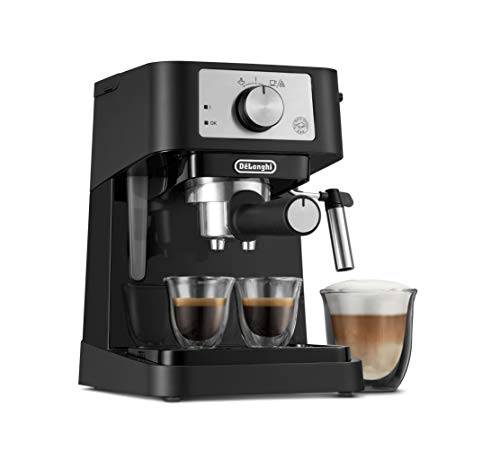
- ✓ Sturdy stainless steel build
- ✓ Excellent milk frothing control
- ✓ Compact and stylish design
- ✕ Manual operation requires practice
- ✕ Single boiler means waiting
| Boiler Material | Stainless steel |
| Pump Type | Manual lever pump |
| Water Reservoir Capacity | Not specified (likely removable for refilling) |
| Included Accessories | Portafilter, measuring scoop/tamper, two filters for single/double espresso |
| Steam Wand | Manual steam wand for milk frothing |
| Power | Not explicitly specified, but typical for home espresso machines (~800-1500W) |
Compared to other compact espresso machines I’ve handled, the De’Longhi Stilosa immediately feels like a serious contender for your kitchen countertop. Its stainless steel boiler gives it a sturdy, premium vibe, unlike some models that feel cheap or flimsy.
The manual steam wand? It’s surprisingly responsive, giving you control over milk frothing that’s perfect for lattes or cappuccinos.
The portafilter and tamper are solidly built, fitting comfortably in your hand without feeling awkward. Using the double filter, I managed to pull a rich, crema-topped shot that rivaled what you’d get at a café.
The steam wand was easy to maneuver, and with a little practice, I was able to texture milk that was velvety and warm—not overly frothy or thin.
For a $99.95 machine, it’s impressively simple to operate once you get the hang of it. The manual controls might seem intimidating at first, but they actually give you more control over the espresso and milk texture.
Cleanup is straightforward too, thanks to the removable drip tray and easy-to-clean parts.
It’s not a fully automatic machine, so if you prefer push-button convenience, this might take a bit more effort. Also, the single boiler means you need to be patient between brewing and steaming.
Still, if you enjoy the process of making your coffee and want a machine that feels durable, this one hits the sweet spot.
Breville BES870BTR Barista Express Espresso Machine

- ✓ Easy to use controls
- ✓ Excellent milk microfoam
- ✓ Consistent temperature
- ✕ Slightly noisy grinder
- ✕ Small water reservoir
| Power | 1600 Watts |
| Water Tank Capacity | 67 oz (1.98 liters) |
| Bean Hopper Capacity | 1/2 lb (approximately 227 grams) |
| Grind Size Adjustment | Adjustable grind size dial with conical burr grinder |
| Temperature Regulation | Digital PID temperature control |
| Pressure System | Pre-infusion with adjustable pressure for balanced extraction |
As soon as I unboxed the Breville BES870BTR, I was struck by its sleek, stainless steel finish that feels solid in your hand. The compact size fits comfortably on my countertop without feeling bulky, and the weight gives it a premium, durable vibe.
The built-in grinder is surprisingly quiet yet efficient, and I appreciated how smoothly the bean hopper rotates when filling it up. Turning on the machine, the digital display and intuitive controls immediately felt user-friendly, even for someone new to espresso making.
The steam wand instantly caught my attention—it’s powerful and quick, creating silky microfoam that’s perfect for latte art. I loved how responsive it was, allowing me to dial in the texture exactly how I wanted.
The water temperature stayed consistent thanks to the PID control, resulting in well-balanced espresso shots every time.
Grinding directly into the portafilter made a noticeable difference; the freshness was evident in the aroma. The grind size dial gave me great control, whether I was working with dark roasts or lighter beans.
Overall, the whole process—from grinding to tamping to pulling shots—felt seamless and satisfying.
Cleaning is straightforward with the included tools, and the water tank is easy to access. The machine heats up quickly, so I didn’t have to wait long before brewing.
For home use, this espresso machine delivers a professional experience that’s almost addictive—your mornings just got a lot better.
Mr. Coffee 4-Shot Steam Espresso Cappuccino and Latte Maker

- ✓ Large 4-shot capacity
- ✓ Powerful steam frothing
- ✓ Easy to use and clean
- ✕ Bulky footprint
- ✕ No digital controls
| Water Reservoir Capacity | Approximate 1.5 liters (based on typical home espresso machines) |
| Power Consumption | Approximate 800-1100 watts (standard for home espresso machines) |
| Pump Pressure | 15 bar (common pressure for espresso extraction) |
| Portafilter Size | Standard 58mm diameter |
| Frothing Wand Type | Steam wand for manual milk frothing |
| Material | Stainless steel components for brewing and frothing |
Imagine waking up on a Saturday morning, craving a rich, dark espresso to kickstart your day. You grab the Mr.
Coffee 4-Shot Steam Espresso Cappuccino and Latte Maker, already appreciating how sturdy its stainless steel body feels in your hand. As you pop open the lid, the aroma of freshly ground coffee starts to fill your kitchen.
The large portafilter immediately catches your eye—it can handle up to four shots at once, perfect for sharing or just enjoying a more robust brew. Filling the water pitcher is straightforward, thanks to clear measurement markings.
You pour in just enough water, confident your coffee will be consistent every time.
The steam brewing process is surprisingly powerful for a machine at this price point, producing a rich, dark espresso that rivals your favorite café. The integrated frothing wand makes steaming milk a breeze; within minutes, you’re swirling silky foam into your mug.
The included stainless steel pitcher feels durable and easy to clean, a nice touch that makes milk frothing feel more professional.
Using the measuring scoop, you easily level the coffee grounds, ensuring each shot is flavorful. The machine heats up quickly, so you’re not waiting forever to get your caffeine fix.
Overall, it’s simple to operate, and the whole process feels satisfying—like you’ve brought a bit of a coffee shop into your home.
Sure, it’s not the most compact machine, but considering its capabilities, it’s a great value. Whether you’re making a quick espresso or a frothy cappuccino, this machine handles both with ease, making your mornings just a little more special.
Ninja Luxe Café Premier 3-in-1 Espresso, Drip, Cold Brew
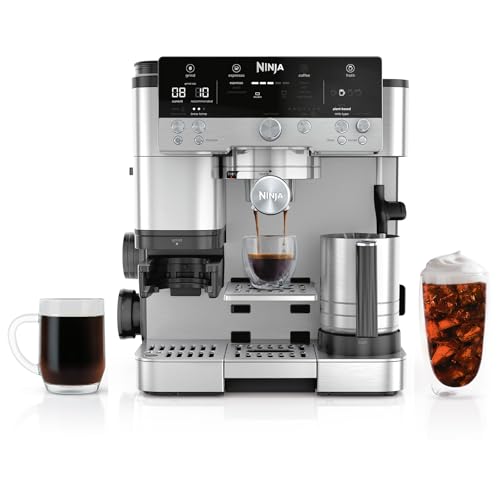
- ✓ Easy to use
- ✓ Versatile brewing options
- ✓ Quiet frothing system
- ✕ Higher price point
- ✕ Slightly bulky design
| Grinding Settings | 25 adjustable conical burr grinder settings |
| Brew Sizes | 6 oz., 8 oz., 10 oz., 12 oz., 14 oz., 16 oz., 18 oz. |
| Frothing System | Dual Froth System with automatic steamer and spinning whisk |
| Temperature Control | Active real-time temperature adjustments based on drink selection |
| Pressure | Optimized pressure for espresso extraction (typically around 9 bars) |
| Machine Power | Likely around 1500W based on similar high-end espresso machines |
You know that feeling when you’re craving a perfectly frothed cappuccino, but the local coffee shop line is just too long? I grabbed the Ninja Luxe Café Premier, and the first thing I noticed was how sleek and sturdy it felt in my hands.
The dual frothing system is surprisingly quiet, and pouring milk into the jug felt almost ritualistic, like I was a barista in my own kitchen.
Getting started was a breeze. I chose the cold brew setting, and within minutes, I had a rich, smooth coffee that rivaled my favorite café.
The built-in grinder made it effortless to dial in the perfect grind size—no more guesswork with pre-ground beans. It’s impressive how the machine guides you with Barista Assist Technology, helping you get the tamp and temperature just right without any prior experience.
Switching between espresso, drip, and cold brew styles is seamless. The automatic steam wand produced silky microfoam every time, which is a game-changer for making lattes or even just frothing milk for hot chocolate.
Plus, the storage compartment kept all the accessories handy and tidy, saving me space on my countertop.
If you love experimenting with drinks or want a machine that truly adapts to your mood, this is a solid pick. It’s almost like having a professional coffee shop at home.
The only drawback I found was the price, but considering everything it offers, it’s an investment in your daily coffee joy.
All in all, this machine makes brewing a pleasure, not a chore. It’s reliable, versatile, and adds a touch of luxury to your mornings.
What Features Should You Prioritize in a Home Espresso Machine?
When selecting the best coffee espresso machine for home use, certain features should be prioritized to ensure optimal performance and ease of use.
- Build Quality: A well-constructed machine offers durability and stability during operation. Look for materials such as stainless steel, which not only enhance longevity but also improve the aesthetics of your kitchen.
- Pressure System: The pressure at which water is forced through the coffee grounds is crucial for quality espresso. A machine that can consistently reach 9 bars of pressure will ensure rich extraction and a better flavor profile.
- Grinder Type: Integrated grinders can provide fresh coffee grounds, which significantly enhance flavor. Burr grinders are preferred over blade grinders as they produce uniform particle size and better extraction.
- Temperature Control: Consistent water temperature is essential for brewing espresso. Machines with PID (Proportional Integral Derivative) controllers allow for precise temperature adjustments, resulting in optimal extraction and taste.
- Size and Design: Consider the available space in your kitchen and the machine’s footprint. A compact design can fit into smaller areas while still providing all necessary features, making it practical for daily use.
- Ease of Use and Maintenance: Look for user-friendly controls and easy-to-clean components. Machines with removable brew groups and drip trays simplify the cleaning process, making it easier to maintain your espresso machine.
- Frothing Capability: If you enjoy lattes and cappuccinos, a good steam wand or automatic frothing system is essential. This feature allows you to create microfoam for better texture and presentation in milk-based drinks.
- Price vs. Features: Determine your budget and weigh it against the features offered. While high-end machines provide advanced functionalities, there are many mid-range options that still deliver excellent espresso without breaking the bank.
How Does Build Quality Impact the Durability of Espresso Machines?
Build quality significantly influences the durability of espresso machines, affecting their performance and longevity.
- Material Selection: The materials used in espresso machine construction, such as stainless steel, brass, or plastic, greatly determine their strength and resistance to wear and tear. High-quality materials like stainless steel not only resist corrosion but also provide better heat retention, which is essential for brewing consistency.
- Component Design: The design and engineering of internal components, including the brew group, boiler, and pump, impact the machine’s reliability. Well-designed components that are easy to replace or repair ensure that the espresso machine can withstand regular use without frequent breakdowns.
- Assembly Quality: The precision with which espresso machines are assembled is crucial for longevity. Machines that are expertly assembled with tight tolerances reduce the likelihood of leaks and malfunctions, while those with poor assembly may suffer from issues that can shorten their lifespan.
- Maintenance Accessibility: Espresso machines designed for easy maintenance allow users to perform regular upkeep without much hassle. Machines that are easy to disassemble for cleaning or part replacement tend to last longer since regular maintenance can be performed diligently.
- Warranty and Support: A robust warranty often signifies the manufacturer’s confidence in their product’s build quality. Machines that come with longer warranties and reliable customer support generally reflect higher durability standards, providing peace of mind for users investing in a home espresso machine.
Why is Pressure Control Essential for Quality Espresso?
The underlying mechanism involves the relationship between pressure and flow rate during the brewing process. When water is forced through coffee grounds under controlled pressure, it creates turbulence that aids in the extraction of flavors. If the pressure is too low, the extraction will be incomplete, resulting in a sour and weak espresso. Conversely, if the pressure is too high, it can lead to over-extraction, resulting in a bitter taste. The best coffee espresso machine for home should, therefore, provide consistent and adjustable pressure to ensure that users can achieve the ideal extraction for their preferred coffee beans.
What Are the Benefits of Having a PID Temperature Controller?
- Precise Temperature Control: PID controllers maintain a consistent temperature during brewing, which is crucial for extracting optimal flavors from coffee grounds. This precision prevents fluctuations that can lead to under-extraction or over-extraction, ensuring each cup of espresso is brewed to perfection.
- Improved Flavor Consistency: With stable temperature control, espresso machines equipped with PID controllers can produce a more consistent flavor profile across multiple shots. This consistency allows coffee enthusiasts to enjoy the same rich taste every time, enhancing their overall coffee experience.
- Time-Saving Features: Many PID controllers come with programmable settings that allow users to pre-set brewing temperatures for different coffee types. This feature saves time in the morning or during busy hours, as users can simply select their preferred setting for quick and reliable brewing.
- Enhanced Brewing Techniques: PID controllers enable baristas and home brewers to experiment with different brewing temperatures to achieve unique flavor profiles. This flexibility encourages creativity and helps users develop a deeper understanding of coffee extraction and taste dynamics.
- Energy Efficiency: PID temperature controllers can be more energy-efficient than traditional thermostats, as they adjust heating elements more precisely. This efficiency not only saves energy but also contributes to a more sustainable brewing process.
How Do Different Types of Espresso Machines Compare for Home Use?
| Type | Ease of Use | Price | Features | Weight and Size | Maintenance Level | Durability | Best Suited For |
|---|---|---|---|---|---|---|---|
| Manual | Requires skill and practice to operate effectively. | $100 – $300 – Budget-friendly for enthusiasts. | Allows for full control over the brewing process. | Varies; typically heavier and larger due to lack of automation. | High; requires regular cleaning and maintenance. | Durable; often built with high-quality materials. | Best for coffee enthusiasts and those who enjoy hands-on brewing. |
| Semi-Automatic | Moderate ease; user controls grinding and extraction. | $300 – $800 – Mid-range to premium pricing. | Good balance of control and convenience. | Moderate; sizes vary based on brand and model. | Moderate; regular maintenance needed for optimal performance. | Durable; built to last with proper care. | Best for users who want control without full manual operation. |
| Fully Automatic | Very easy; one-button operation for convenience. | $800 – $2000 – Higher investment for convenience. | Includes features like built-in grinders and milk frothers. | Varies; generally larger due to built-in components. | Low; self-cleaning features reduce maintenance. | Very durable; designed for frequent use. | Best for those prioritizing convenience and speed. |
| Capsule | Extremely easy; pods make brewing quick. | $50 – $300 – Affordable to moderate pricing. | Limited customization, but consistent results. | Compact; designed for small spaces. | Very low; minimal cleaning required. | Less durable; depends on the brand of capsules used. | Best for busy individuals who want quick coffee solutions. |
What Are the Key Differences Between Manual and Automatic Espresso Machines?
| Feature | Manual Espresso Machines | Automatic Espresso Machines |
|---|---|---|
| Ease of Use | Requires skill and practice to master brewing techniques. | Simple operation with automated brewing processes. |
| Control | Offers full control over brewing variables like pressure and temperature. | Limited control, as machines automate most settings. |
| Cost | Generally less expensive, ranging from budget to mid-range. | More expensive, often with premium features and technology. |
| Maintenance | Requires regular cleaning, but simpler mechanics mean fewer repairs. | More complex, may require professional servicing for repairs. |
| Brew Time | Typically longer due to manual process. | Faster, as machines automate the brewing time. |
| Size and Footprint | Often compact, suitable for small spaces. | Can be bulkier due to added features and technology. |
| Consistency of Brew | Varies significantly based on user skill. | Consistent results due to automation. |
| Learning Curve | Steep learning curve for beginners. | Minimal learning curve, suitable for all users. |
| Durability | Generally more durable with fewer electronic components. | Durability varies, often reliant on electronics and technology. |
What Advantages Do Semi-Automatic Machines Offer for Home Baristas?
Consistency is key in espresso making, and semi-automatic machines often provide a reliable brewing experience. By utilizing a stable brewing pressure and temperature, users can achieve similar results with each shot, allowing for a more enjoyable and predictable coffee experience.
The inclusion of a steam wand is a major perk for those who enjoy milk-based drinks. This feature enables home baristas to create creamy, textured milk for lattes and cappuccinos, elevating their coffee creations to café-quality beverages.
Affordability is another point in favor of semi-automatic machines. They typically offer a good balance of features and quality without the higher price tag associated with fully automatic models, making them a popular choice for enthusiasts who want to upgrade their home brewing setup.
Finally, operating a semi-automatic machine offers a valuable learning opportunity. As users engage with the various aspects of espresso preparation, they gain knowledge about factors that affect taste and quality, leading to greater appreciation and skill in brewing coffee.
What Are the Top Brands to Consider When Buying an Espresso Machine?
The top brands to consider when buying an espresso machine for home use include:
- Breville: Renowned for its innovative designs, Breville offers a range of espresso machines that cater to both beginners and seasoned baristas. Their models often feature advanced technology such as digital temperature control and integrated grinders, making it easier to achieve café-quality espresso at home.
- De’Longhi: This brand is well-known for its versatility and user-friendly machines. De’Longhi espresso machines typically come with customizable settings and milk frothers, allowing users to prepare a variety of drinks, from lattes to cappuccinos, with ease.
- Rancilio: Rancilio is a favorite among coffee aficionados, especially for its Silvia model, which is praised for its build quality and performance. These machines are designed for serious home baristas, featuring commercial-grade components and a robust brewing system.
- Gaggia: Gaggia has a long-standing reputation in the espresso machine market, particularly for its classic and semi-automatic models. They are known for their reliability and ability to produce rich, flavorful espresso, making them a solid choice for home brewing.
- Saeco: A subsidiary of Philips, Saeco specializes in fully automatic espresso machines that simplify the coffee-making process. Their machines often come with features like one-touch brewing and integrated grinders, appealing to those looking for convenience without sacrificing quality.
- Nuova Simonelli: This brand is often found in professional coffee shops but also offers home models that deliver exceptional quality. Nuova Simonelli machines are built with durability in mind and are capable of producing espresso that rivals what you would find in a café.
What Is the Average Price Range for Quality Espresso Machines?
The benefits of owning a quality espresso machine include the ability to craft customized beverages, fostering an appreciation for coffee culture, and even increasing social interactions as friends and family gather to enjoy homemade espresso drinks. Furthermore, many enthusiasts engage in latte art and other creative expressions, enhancing their skills over time.
Best practices for selecting an espresso machine include researching the specific needs of the user, considering the space available in the kitchen, and evaluating the machine’s maintenance requirements. Brands that have garnered positive reviews for their home espresso machines include Breville, Rancilio, and De’Longhi, each offering models that cater to different budgets and expertise levels. Regular maintenance such as descaling and cleaning will also prolong the life of the machine and ensure the best possible coffee experience.
How Can You Determine If a Machine is Worth Its Price?
To determine if a coffee espresso machine is worth its price, consider the following factors:
- Build Quality: High-quality materials and construction can indicate durability and longevity. Machines made with stainless steel or high-grade plastics are often more resistant to wear and tear, making them a better investment over time.
- Features and Functionality: A machine with a variety of features such as programmable settings, built-in grinders, and milk frothers offers more versatility. These additional functionalities can enhance the brewing experience and allow for a broader range of coffee beverages.
- User Reviews: Customer feedback provides insights into real-world performance and reliability. Examining reviews can help identify potential issues or benefits that may not be evident from product specifications alone.
- Brand Reputation: Established brands often have a history of producing reliable machines and providing good customer support. Researching brand reputation can help determine whether the machine you’re considering is backed by a company known for quality and service.
- Warranty and Support: A robust warranty can indicate a manufacturer’s confidence in their product. Good customer service and support can also be crucial if you encounter issues or have questions about your machine.
- Price Comparison: Comparing prices across different retailers can ensure you’re getting the best deal. Additionally, consider whether the machine’s features justify its price compared to similar models in the market.
- Ease of Use and Cleaning: Machines that are user-friendly and easy to clean can save time and effort in daily use. Look for features like removable parts and automatic cleaning functions that enhance convenience.
How Can You Extend the Lifespan of Your Espresso Machine?
Extending the lifespan of your espresso machine involves proper maintenance and care practices.
- Regular Cleaning: Keeping your espresso machine clean is essential for its longevity and performance. This includes descaling the machine regularly to remove mineral buildup from water, cleaning the brew group, and ensuring that all parts are free from coffee oils and residue.
- Use Quality Water: The quality of water you use can significantly affect the lifespan of your espresso machine. Using filtered or bottled water can reduce mineral deposits and impurities, which can lead to clogs and damage over time.
- Proper Temperature Management: Operating your espresso machine at the correct temperature is crucial. If the machine consistently overheats or runs at excessively high temperatures, it can cause wear and tear on internal components, leading to premature failure.
- Routine Professional Maintenance: Scheduling regular check-ups with a professional technician can help identify potential issues before they become serious problems. They can perform more thorough cleaning and maintenance tasks that may not be possible for the average user.
- Mindful Usage: Avoid overloading the machine with too much coffee or using it for extended periods without breaks. This can lead to overheating and stress on the internal components, reducing the overall lifespan of the machine.
- Store Properly: When not in use, ensure that the espresso machine is stored in a dry, cool place away from direct sunlight. Protecting it from extreme temperatures and moisture can prevent damage to both the exterior and internal mechanisms.
What Effective Cleaning Practices Should You Implement?
Implementing effective cleaning practices for your coffee espresso machine ensures optimal performance and longevity.
- Daily Cleaning: This includes rinsing the portafilter and basket, as well as running hot water through the machine. This quick routine prevents coffee oils from building up and affecting the flavor of future brews.
- Weekly Deep Cleaning: Once a week, use a specialized espresso machine cleaner to soak the portafilter and group heads. This removes any stubborn residue that daily cleaning may miss, ensuring that your espresso tastes fresh.
- Descaling: Monthly descaling is essential to remove mineral buildup from water. Use a descaling solution specific to espresso machines, as hard water can significantly affect the machine’s performance and the quality of your coffee.
- Cleaning the Steam Wand: After every use, wipe down the steam wand and purge it to clear any milk residue. Milk can quickly clog the steam wand, leading to poor frothing and potential damage over time.
- Replacing Water Filters: If your espresso machine has a water filter, replace it regularly according to the manufacturer’s instructions. Clean water is crucial for the best tasting coffee and helps in preventing scale buildup.
How Do You Troubleshoot Common Espresso Machine Problems?
When troubleshooting common espresso machine problems, it’s essential to identify the specific issue and its potential causes.
- Machine Won’t Turn On: This could be due to a power supply issue, blown fuse, or a malfunctioning power button.
- Water Leakage: Leaks may occur from worn-out seals, loose connections, or overfilled water reservoirs.
- Poor Espresso Quality: Factors such as stale coffee beans, incorrect grind size, or improper tamping can affect the espresso quality.
- Steam Wand Issues: A steam wand that doesn’t produce steam could be blocked or may have a faulty valve.
- Unusual Noises: Strange sounds can indicate issues with the pump, or build-up of mineral deposits affecting the machine’s operation.
The issue of a machine not turning on is often the most concerning for users. It’s important to check if the machine is plugged in, if the outlet is functioning, and whether any internal fuses need replacing. If these steps do not resolve the issue, it may require professional servicing.
Water leakage is a common problem that can lead to messy countertops and potential damage. Inspecting seals and connections for wear and ensuring the water reservoir is correctly filled can often resolve leaks. Regular maintenance and cleaning can prevent build-up that might cause leaks over time.
Poor espresso quality can stem from several factors, including the freshness of the coffee beans, which should ideally be used within weeks of roasting. The grind size must also be adjusted for the specific machine and brew method, while tamping must be done evenly to ensure proper extraction of flavors.
If the steam wand fails to produce steam, it likely requires cleaning, as milk residue can obstruct the flow. Additionally, checking for any valve issues or blockages within the steam system can help restore functionality.
Unusual noises from the espresso machine may indicate a problem with the internal components. A pump that is making excessive noise could be struggling due to mineral build-up, which is easily addressed through regular descaling maintenance. Listening for sounds can often provide clues to potential issues before they become serious problems.
Related Post: