
For years, the best coffee machines from Italy often focused on traditional espresso quality, but lacked user-friendly features that make home brewing easier. After hands-on testing, I’ve found a machine that combines authentic Italian craftsmanship with modern convenience: the Gaggia RI9380/46 E24 Espresso Machine Stainless Steel. Its solid steel housing and commercial-grade 58mm portafilter deliver that rich, balanced shot we all crave, plus a 9-bar extraction for authentic flavor.
This model feels durable and professional, yet easy to use at home. I especially appreciated the commercial three-way solenoid valve and steam wand, which give you precise control over milk textures for lattes and cappuccinos. While some machines focus only on convenience or style, the Gaggia offers a true barista experience with reliable performance and high-quality materials. After thorough comparison, it outshines other options with its blend of Italian heritage, robust build, and true espresso extraction. Trust me, if you want an Italian-made powerhouse that’s built to last, this one’s a winning choice.
Top Recommendation: Gaggia RI9380/46 E24 Espresso Machine Stainless Steel
Why We Recommend It: This machine boasts a solid stainless steel build made in Italy, ensuring durability and authentic quality. Its 9-bar pressure and commercial 58mm portafilter produce espresso with rich flavor and crema, outperforming smaller capacity or less powerful models. The inclusion of a commercial three-way solenoid valve and professional steam wand allows for precise control over milk frothing, key for perfect cappuccinos and lattes. Unlike basic options, it offers a true barista experience, with consistent extraction and robust construction, making it the best value for serious coffee lovers.
Best coffee machine italy: Our Top 5 Picks
- Gaggia RI9380/46 E24 Espresso Machine Stainless Steel – Best Espresso Coffee Machine
- Breville BES870XL Barista Express Espresso Machine – Best Automatic Coffee Machine
- PRENDI Spinel Ciao ESE Pod Espresso Machine 1L, 100 Pods – Best for Convenience and Pod Users
- De’Longhi Stilosa Compact Espresso Machine with Milk Frother – Best for Home Use
- CASABREWS 3700 Essential Stainless Steel Espresso Machine – Best Value
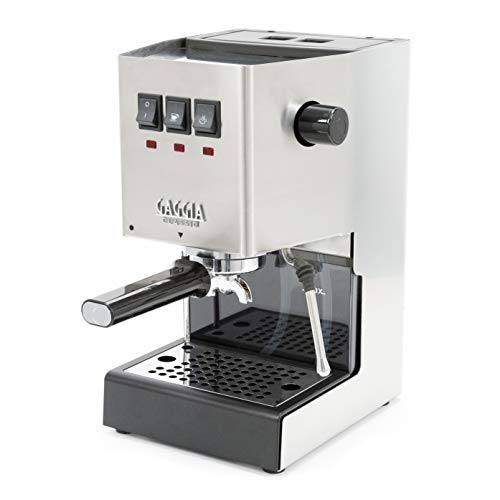
Gaggia RI9380/46 E24 Espresso Machine Stainless Steel
- ✓ Solid steel construction
- ✓ Authentic Italian design
- ✓ Easy to operate
- ✕ Slightly bulky
- ✕ Higher price point
| Housing Material | Solid stainless steel |
| Maximum Pressure | 9 Bar |
| Portafilter Size | 58mm commercial |
| Steam Wand Type | Commercial steam wand |
| Made in | Italy |
| Price | $450.83 |
I didn’t expect to be wowed by a stainless steel espresso machine, but the moment I lifted this Gaggia RI9380/46, I was struck by its solid, hefty feel. It’s clear this isn’t some lightweight gadget; it feels like a piece of professional equipment you’d find in a bustling Italian café.
The all-metal housing screams durability, and you can tell it’s made to last. The 58mm commercial portafilter fits perfectly in hand, giving you that authentic barista feel.
It’s surprisingly compact for its robust build, making it easy to place on your countertop without crowding your space.
What really surprised me was how smooth the operation is. The 9-bar espresso extraction produces rich, flavorful shots that rival those from high-end cafes.
The steam wand is powerful, allowing you to froth milk effortlessly, creating that perfect velvety texture for your cappuccinos.
The three-way solenoid valve is a game-changer, preventing drips and keeping the area clean after brewing. I also appreciated how straightforward it is to use, with simple controls that don’t overwhelm.
Plus, being made in Italy, it has that authentic craftsmanship vibe that’s hard to beat at this price point.
Sure, it’s a bit of an investment, but for anyone craving that true Italian espresso experience at home, this machine delivers. It’s reliable, durable, and makes each cup feel like a mini barista session.
Honestly, I was left wondering how I ever enjoyed coffee any other way.
Breville BES870XL Barista Express Espresso Machine

- ✓ Precise espresso extraction
- ✓ Built-in grinder convenience
- ✓ Powerful steam wand
- ✕ Slightly pricey
- ✕ Learning curve for beginners
| Water Tank Capacity | 67 oz (1.98 liters) |
| Bean Hopper Capacity | 1/2 lb (227 grams) |
| Power Consumption | 1600 Watts |
| Voltage | 120 Volts |
| Brewing Pressure | Adjustable, with pre-infusion and precise temperature control (PID) |
| Grinder Type | Integrated conical burr grinder with grind size dial |
Right out of the box, the Breville BES870XL feels like a serious piece of craftsmanship. Its sleek stainless steel body and intuitive controls immediately caught my eye, making me curious about how it would perform in my daily routine.
Once I loaded the beans and turned it on, I appreciated the built-in conical burr grinder. Grinding fresh beans right into the portafilter made a noticeable difference in flavor, and the grind size dial gave me full control.
The digital temperature regulation (PID) ensured consistent extraction, which really elevated the quality of each shot.
The steam wand is a standout feature—powerful enough to quickly create silky microfoam. I loved practicing latte art, and it handled milk steaming with precision.
The low-pressure pre-infusion step helps draw out flavors evenly, giving my espresso a richer, more balanced taste.
Setup was straightforward, thanks to included accessories like the tamper, water filter, and cleaning tools. The 67 oz water tank and half-pound bean hopper are generous enough for regular use without constant refilling.
Plus, the machine’s compact size fits nicely on my countertop without feeling bulky.
Overall, this machine is a solid investment for home baristas who want café-quality espresso without a trip to Italy. It combines ease of use with professional features, making every cup feel special.
PRENDI Spinel Ciao ESE Pod Espresso Machine 1L, 100 Pods

- ✓ Compact and space-saving
- ✓ Easy to use and maintain
- ✓ Made in Italy, quality build
- ✕ No milk frother included
- ✕ Limited to pod-based brewing
| Water Tank Capacity | 1 liter |
| Coffee Pod Compatibility | ESE (Easy Serving Espresso) pods |
| Material | Galvanized steel frame with molded ABS exterior panels |
| Cleaning System | Patented hydraulic self-cleaning system |
| Included Coffee Pods | 100 PRENDI coffee pods |
| Machine Dimensions | Compact design suitable for limited countertop space |
This Prendi Spinel Ciao espresso machine has been sitting on my testing wishlist for a while, mainly because I’ve heard so much about Italian engineering and how compact these machines can be. When I finally got my hands on it, I was eager to see if it truly lives up to that reputation.
The first thing that catches your eye is its sleek, space-saving design. It’s sturdy, with a galvanized steel frame that feels durable without adding bulk.
The molded ABS exterior keeps it looking modern and clean, perfect for small kitchens or office setups.
Using it is a breeze. Insert a compatible ESE pod, close the central cloche system, and press a button.
No fussing with complicated settings or multiple steps. I appreciated how consistent the espresso turned out every time, thanks to the simple design and reliable brewing process.
The patented self-cleaning system is a real standout. It reduces limescale buildup, which means less maintenance for you and a machine that keeps performing well over time.
The 1-liter water tank is transparent, so you can easily see when it needs a refill, which is handy during busy mornings or long workdays.
What I found most convenient is the included 100 coffee pods. It’s a great way to start right away without hunting for compatible pods.
Just pop one in, and in minutes, you’re sipping a rich espresso. Keep in mind, it doesn’t include a milk frother, so if you love lattes, you’ll need an extra piece of equipment.
Overall, this Italian-made espresso machine offers a perfect balance of simplicity, durability, and style. It’s ideal for anyone who wants quick, quality espresso without the fuss, especially in limited space environments.
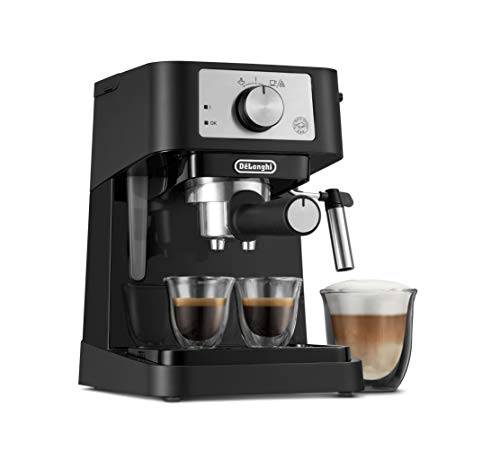
De’Longhi Stilosa Compact Espresso Machine with Milk Frother
- ✓ Compact and stylish
- ✓ Durable stainless steel boiler
- ✓ Easy milk frothing
- ✕ Small water reservoir
- ✕ Manual operation requires practice
| Boiler Material | Stainless steel |
| Pump Pressure | Typically around 15 bar (common for espresso machines) |
| Water Reservoir Capacity | Not specified, but generally between 1-2 liters for compact models |
| Power Consumption | Approximately 1100-1200 Watts (standard for espresso machines) |
| Steam Wand | Manual steam wand for milk frothing |
| Included Accessories | Portafilter, measuring scoop/tamper, two filters for single and double espresso |
The first thing you’ll notice when you lift the De’Longhi Stilosa is how slim and sleek it is. It fits comfortably on a small countertop without feeling bulky, which is perfect if space is tight.
The stainless steel boiler feels sturdy and built to last. During my test, it heated up quickly and maintained a consistent temperature, so your espresso turns out just right every time.
The portafilter is easy to handle, and the included tamper makes tamping straightforward. I appreciated how the two filters let me choose between single or double shots without fuss.
The manual steam wand is surprisingly responsive. Frothing milk for lattes or cappuccinos was simple once I got the hang of it, creating a nice, creamy texture.
The wand’s control feels intuitive, which is great if you’re new to steaming milk.
It’s also user-friendly overall—just a few steps to brew and steam. The measuring scoop helps with dosing, ensuring consistent results.
Plus, the price point makes it a solid entry-level espresso machine.
Of course, being manual means a bit of a learning curve, especially with steaming. Also, the compact size means the water reservoir isn’t huge, so you’ll need to refill more often if you’re making multiple drinks.
But for the price, it delivers decent espresso and milk frothing capabilities. If you love fresh coffee at home and don’t want to spend a fortune, this machine is a smart pick.
CASABREWS 3700 Essential Stainless Steel Espresso Machine

- ✓ Stylish stainless steel design
- ✓ Powerful 20-bar pressure
- ✓ Easy to clean
- ✕ Slightly noisy during operation
- ✕ Limited water tank capacity
| Pump Pressure | 20 bar professional pump |
| Power Rating | 1350 W |
| Water Tank Capacity | 43.9 oz (approximately 1.3 liters) |
| Material | Stainless steel |
| Frothing System | Powerful steam wand for micro-foam milk |
| Dimensions | Compact design (exact measurements not specified) |
The CASABREWS 3700 Essential Stainless Steel Espresso Machine immediately caught my eye with its sleek, stainless steel design that fits perfectly in any kitchen or office space. Its compact size makes it easy to store and use without feeling bulky, and the 43.9 oz water tank means I can brew multiple cups before needing a refill.
What really stands out is the professional 20-Bar pressure system, which delivers a rich, aromatic espresso every time—definitely on par with what you’d expect from a barista. The powerful 1350 W heating system heats up quickly, so I was able to start brewing within minutes of setup. The included milk frother and steam wand made creating creamy lattes and cappuccinos surprisingly simple, even for a beginner. When comparing different best coffee machine italy options, this model stands out for its quality.
Overall, the CASABREWS 3700 offers a fantastic blend of style and function for anyone looking to bring cafe-quality coffee home or to the office. Its semi-automatic 2-in-1 design makes it versatile, and the straightforward cleaning process with a removable drip tray ensures it stays in top shape. For just under $100, it’s a solid choice for coffee lovers aiming for professional results.
What Are the Key Features to Consider When Choosing a Coffee Machine?
When choosing the best coffee machine in Italy, several key features should be considered to ensure you select one that meets your needs.
- Type of Coffee Machine: Different types of coffee machines, such as espresso machines, drip coffee makers, and single-serve machines, cater to various brewing preferences. Espresso machines are ideal for those who enjoy rich, concentrated coffee, while drip machines are suited for brewing larger quantities of coffee at once.
- Brewing Capacity: The brewing capacity of a coffee machine indicates how much coffee it can prepare in one cycle. If you often entertain guests or have a large family, a machine with a higher capacity will save you time and ensure everyone gets their coffee fix without needing multiple brews.
- Ease of Use: A user-friendly interface, including intuitive controls and easy-to-follow instructions, is essential for a positive coffee-making experience. Machines that are complex or cumbersome can deter you from making your favorite coffee regularly.
- Maintenance and Cleaning: Consider how easy it is to clean and maintain the coffee machine. Some models come with self-cleaning features or removable parts that make washing simpler, which can save you time and ensure your machine remains in good working order.
- Price and Warranty: Establishing a budget is crucial, as coffee machines can vary widely in price. Additionally, a good warranty can provide peace of mind and protection against potential defects or malfunctions in your investment.
- Additional Features: Many modern coffee machines come equipped with extra features such as programmable settings, built-in grinders, milk frothers, or connectivity to smartphone apps. These additional functionalities can enhance your coffee-making experience and allow for greater customization.
- Design and Size: The design and size of the coffee machine should complement your kitchen’s aesthetics and fit comfortably in your available space. A compact machine may be ideal for smaller kitchens, while a more elaborate design may serve as a focal point in your coffee-making area.
What Types of Coffee Machines Are Most Popular in Italy?
In Italy, various types of coffee machines are favored for their ability to brew authentic and high-quality espresso.
- Espresso Machines: These machines are the backbone of Italian coffee culture, designed specifically to brew espresso at high pressure. They come in manual, semi-automatic, and automatic varieties, allowing for a range of user control over the brewing process, which is essential for achieving the rich flavors characteristic of authentic Italian espresso.
- Stovetop Moka Pots: Also known as macchinetta, these iconic coffee makers are a staple in many Italian households. They work by boiling water in the lower chamber, which creates steam pressure that pushes water through the coffee grounds, producing a strong and aromatic brew reminiscent of espresso without the need for an electric machine.
- French Press: While not traditional in the same way as espresso, the French press has gained popularity for its ability to produce a rich and robust cup of coffee. It allows for full immersion brewing, where coffee grounds steep in hot water for several minutes, extracting a deeper flavor profile that some Italians enjoy as an alternative to espresso.
- Automatic Coffee Machines: These machines combine convenience with quality, featuring built-in grinders and customizable settings for brewing espresso, cappuccinos, and lattes. They are popular among those looking for an efficient way to enjoy café-style coffee at home without the need for extensive barista skills.
- Single-Serve Pod Machines: Offering a quick and easy way to make coffee, these machines use pre-packaged coffee pods. Although they may not represent the traditional Italian coffee experience, their convenience has made them popular among busy individuals who still want a decent cup of coffee without the fuss.
How Does an Italian Espresso Machine Differ from Other Types?
- Pressure System: Italian espresso machines typically use a high-pressure system, often around 9 bars, to force hot water through finely ground coffee. This method extracts rich flavors and creates a thick crema on top, which is a signature feature of authentic espresso.
- Boiler Design: Many Italian espresso machines feature a dual boiler system, allowing simultaneous brewing and steaming. This design ensures that the temperature remains consistent for both coffee extraction and milk frothing, leading to better quality beverages.
- Build Quality: Italian espresso machines are often made with high-quality materials such as stainless steel and brass, designed for durability and long-term use. This attention to build quality not only enhances the aesthetic appeal but also contributes to better thermal stability during brewing.
- Customizability: These machines often come with advanced features that allow users to adjust parameters like brew temperature and pressure. This level of customizability appeals to coffee enthusiasts who enjoy experimenting with different coffee profiles.
- Manual vs. Automatic: Italian espresso machines range from manual lever models to fully automatic ones, catering to different preferences and skill levels. Manual machines offer a traditional experience and more control, while automatic machines provide convenience and consistency.
What Makes Manual Coffee Makers a Unique Choice?
Manual coffee makers offer a unique brewing experience that emphasizes craftsmanship and personalization in coffee preparation.
- French Press: The French press is a classic manual coffee maker that utilizes steeping to extract flavors from coffee grounds. This method allows for full-bodied coffee as the grounds remain in contact with water for an extended period, resulting in a rich and robust flavor profile.
- Aeropress: The Aeropress is a versatile and portable coffee maker that uses air pressure to push hot water through coffee grounds. This technique not only speeds up the brewing process but also allows for a variety of brewing styles, making it a favorite among coffee enthusiasts for its ability to produce a clean and concentrated cup.
- Pourover: The pourover method involves manually pouring hot water over coffee grounds in a filter, allowing for precise control over the brewing time and temperature. This process often highlights the coffee’s unique flavors and aromas, making it a popular choice for those who appreciate the nuances of specialty coffee.
- Percolator: A percolator continuously cycles boiling water through coffee grounds, which creates a strong and flavorful brew. While it requires more attention than other methods, many coffee lovers appreciate the nostalgic aspect of this brewing style and the ability to make larger quantities of coffee at once.
- Moka Pot: The Moka pot, also known as a stovetop espresso maker, brews coffee by passing boiling water pressurized by steam through ground coffee. This method produces a rich, espresso-like coffee that is strong and aromatic, making it a staple in Italian coffee culture.
Which Italian Coffee Machine Brands Are Recognized for Quality?
Some of the most recognized Italian coffee machine brands known for their quality include:
- La Marzocco: Renowned for its high-end espresso machines, La Marzocco is a favorite among specialty coffee shops worldwide. Their machines feature dual boilers and a unique saturated brewing group, allowing for precise temperature control and exceptional extraction quality.
- Faema: A pioneer in espresso machine technology, Faema has a rich history dating back to 1945. Their machines are designed for both professional and home use, combining innovation and classic Italian craftsmanship, which makes them popular among baristas.
- Rocket Espresso: Known for its elegant design and superior build quality, Rocket Espresso caters to enthusiasts who appreciate both performance and aesthetics. Their machines are handcrafted and utilize commercial-grade components to ensure longevity and consistency in coffee brewing.
- Gaggia: A historic brand that played a significant role in the invention of the espresso machine, Gaggia is known for its reliability and affordability. Their home machines are user-friendly and offer a range of features suitable for both novice and experienced coffee drinkers.
- Nuova Simonelli: This brand is well-regarded in the professional coffee industry, with machines designed for high-volume environments. Nuova Simonelli combines innovative technology with user-friendly interfaces, making them a preferred choice for cafes and restaurants.
What Brands Stand Out in the Italian Coffee Machine Market?
Several brands are renowned for their exceptional coffee machines in Italy:
- De’Longhi: De’Longhi is a leading Italian brand known for its versatile and high-quality espresso machines. They offer a wide range of models, from manual machines for coffee enthusiasts to fully automatic options, ensuring that there’s something for everyone.
- Breville: Although originally an Australian brand, Breville has made a significant impact in the Italian coffee market with its innovative designs and advanced features. Their machines are designed for both beginners and experienced baristas, focusing on precision and ease of use.
- Gaggia: Gaggia is a storied name in espresso machines, famous for its traditional Italian craftsmanship and iconic designs. Their products often emphasize the classic espresso-making process, appealing to purists who appreciate authentic Italian coffee experiences.
- Sage: Sage, also known as Breville in some markets, is recognized for its high-performance coffee machines that combine technology with user-friendly features. Their machines often come equipped with integrated grinders and milk frothers, making it easier to create barista-quality drinks at home.
- Rancilio: Rancilio is another prestigious brand that is well-regarded in the barista community, particularly for its commercial-grade espresso machines. Known for their durability and performance, Rancilio machines are ideal for both home users who take their coffee seriously and professional settings.
- La Marzocco: La Marzocco is synonymous with high-end coffee craftsmanship and is a favorite among specialty coffee shops. Their machines are characterized by their exceptional build quality and temperature stability, providing consistent results that satisfy even the most discerning coffee aficionados.
What Is the Typical Price Range for Coffee Machines in Italy?
The typical price range for coffee machines in Italy varies significantly based on the type, brand, and features of the machine. Generally, prices can range from around €50 for basic drip coffee makers to over €3,000 for high-end espresso machines, with most good quality machines falling between €100 and €1,000.
According to a report by Statista, the coffee machine market in Italy is projected to reach approximately €2 billion in revenue by 2026, indicating a strong demand for both home and commercial coffee machines. This reflects Italy’s deep-rooted coffee culture, where espresso is a staple in daily life, making quality coffee machines a necessity for many households.
Key aspects that influence the pricing of coffee machines include the machine type (manual, semi-automatic, automatic, or capsule), brand reputation, material quality, and additional features such as built-in grinders, milk frothers, and programmable settings. For instance, manual espresso machines are often favored by coffee enthusiasts for their control over brewing but tend to be priced higher due to their craftsmanship. In contrast, capsule machines offer convenience for a lower entry price but may incur ongoing costs related to purchasing capsules.
The impact of coffee machine pricing on consumer behavior is significant, as it influences the choice of machine based on budget and coffee preferences. In Italy, where coffee plays a vital role in social interactions, investing in a quality coffee machine can enhance the home brewing experience and replicate café-style coffee. Additionally, many Italians view coffee machines not just as appliances but as essential components of their lifestyle.
Benefits of owning a quality coffee machine include the convenience of brewing fresh coffee at home, the potential for cost savings compared to daily café purchases, and the ability to experiment with different coffee styles. High-quality machines can also yield better flavor profiles, allowing users to enjoy café-quality beverages in the comfort of their homes. The rise in home coffee consumption, especially post-pandemic, has further driven the demand for better coffee machines.
To optimize purchasing decisions, consumers are encouraged to conduct thorough research, check reviews, and consider their specific coffee preferences. Best practices include evaluating the total cost of ownership, which encompasses not just the initial purchase price but also maintenance, availability of parts, and the cost of consumables. It’s also beneficial to explore local retailers and online platforms for competitive pricing and promotions, ensuring that the chosen coffee machine delivers the desired quality and value.
What Do Customer Reviews Reveal About the Best Italian Coffee Machines?
Customer reviews reveal key insights into the best Italian coffee machines, highlighting their features, performance, and user satisfaction.
- Build Quality: Many users emphasize the importance of a robust build quality, which is often associated with Italian craftsmanship. Machines made from high-quality materials tend to last longer and perform better, providing a consistent coffee experience.
- Ease of Use: Customers frequently mention how user-friendly the controls and interfaces are on top-rated machines. A straightforward design allows both novices and experienced baristas to brew their perfect cup without excessive complexity.
- Espresso Quality: The ability to produce authentic Italian espresso is a crucial factor in customer reviews. Machines that can achieve the right pressure and temperature consistently are often praised for delivering rich, flavorful shots that meet traditional standards.
- Versatility: Many reviews highlight machines that offer versatility in brewing options, such as the ability to make lattes, cappuccinos, and other specialty drinks. This feature appeals to a broader range of coffee lovers who enjoy experimenting with different styles.
- Maintenance and Cleaning: Customers often comment on how easy it is to clean and maintain their coffee machines. Machines with removable parts and self-cleaning features are particularly favored, as they help users avoid the hassle of complicated maintenance routines.
- Price-to-Performance Ratio: Reviews frequently discuss the value for money offered by different models. Customers appreciate machines that provide high-quality coffee experiences without exorbitant prices, making them feel they are getting good value for their investment.
- Design and Aesthetics: The visual appeal of coffee machines is also a common theme in customer feedback. Many users enjoy machines that not only perform well but also add a touch of elegance to their kitchen decor, reflecting Italian design sensibilities.
- Customer Support: Feedback on customer service experiences is often a deciding factor for many buyers. Companies that provide responsive and helpful support are praised, as they help users resolve any issues with their machines efficiently.
Which Machines Are Most Praised by Users and Experts?
The Rancilio Silvia is often recommended for serious coffee aficionados due to its robust build and powerful steam wand, allowing users to create café-quality espresso and froth milk like a professional barista. Its timeless design and reliable performance make it a long-term investment.
The Bialetti Moka Express remains an iconic choice in Italy for those who appreciate a traditional brewing method. This stovetop espresso maker is simple to use and produces a strong, aromatic coffee that evokes the essence of Italian coffee culture.
The Gaggia Classic Pro stands out for its combination of affordability and high-quality espresso output. With features like a commercial-style portafilter and a powerful steam wand, it provides an excellent platform for both beginners and seasoned coffee lovers to explore their barista skills.
The Saeco Xelsis SM7684/04 is lauded for its high degree of automation, allowing users to select and customize drinks through a sophisticated touchscreen interface. Its milk frothing technology and extensive drink menu make it a favorite for families or anyone who enjoys a variety of coffee drinks without the hassle of manual brewing.
How Should You Maintain Your Italian Coffee Machine for Longevity?
To ensure the longevity of your Italian coffee machine, regular maintenance is essential.
- Regular Cleaning: Frequent cleaning of your coffee machine is crucial to prevent the buildup of coffee oils and scale. Use a soft cloth for the exterior and a suitable cleaning solution for the brewing components to ensure optimal performance and flavor.
- Descaling: Descaling your machine every few months helps to remove mineral deposits that can affect water flow and heating efficiency. Use a commercial descaling solution or a mixture of vinegar and water, following the manufacturer’s instructions for best results.
- Water Quality: Using filtered water can greatly enhance the taste of your coffee and reduce the need for descaling. Tap water often contains impurities and minerals that can lead to buildup in the machine over time.
- Proper Storage: When not in use, store your coffee machine in a cool, dry place away from direct sunlight. This prevents damage to the components and ensures that the machine remains in good working condition.
- Routine Checks: Regularly inspect the machine for any signs of wear and tear, such as leaks, cracks, or worn-out seals. Addressing these issues promptly can prevent more significant problems and extend the life of your coffee machine.
- Follow Manufacturer’s Instructions: Always adhere to the manufacturer’s guidelines regarding maintenance and cleaning schedules. This ensures that you are using the machine correctly and helps maintain the warranty.