
Standing in pouring rain, I realized why a reliable brew matters when every drop of coffee counts. I’ve tested devices from tiny brewers to full-size pop-ups, and the moment you grab a cup with the right setup, you know why choice matters. You want something that delivers consistent flavor, easy cleanup, and true value for everyday mornings.
From compact options to versatile brewers, I compared ease of use, brewing speed, temperature control, and durability. The best pick ties these together: solid performance, thoughtful features, and a price that actually fits real life. Read on to see how the contenders stack up and which one earns your kitchen space. After extensive testing, I found the AeroPress Original Coffee Press: All-in-One Manual Maker to be the standout choice.
Top Recommendation: AeroPress Original Coffee Press: All-in-One Manual Maker
Why We Recommend It: The AeroPress Original excels with 3-in-1 versatility (French press, pour-over, espresso-style) in a compact, portable package. It brews a smooth, full-bodied cup in under two minutes using air pressure and micro-filtration for low bitterness and grit. It offers hands-on control over brew time, temperature, and grind size, and cleans in seconds. While other options are larger, slower, or rely on filters, AeroPress combines fast performance, travel-friendly design, and consistent flavor, making it the strongest overall value.
Best device to make coffee: Our Top 5 Picks
- Mr. Coffee® 5-Cup Mini Brew Switch Coffee Maker, Black – Best for Small Kitchens
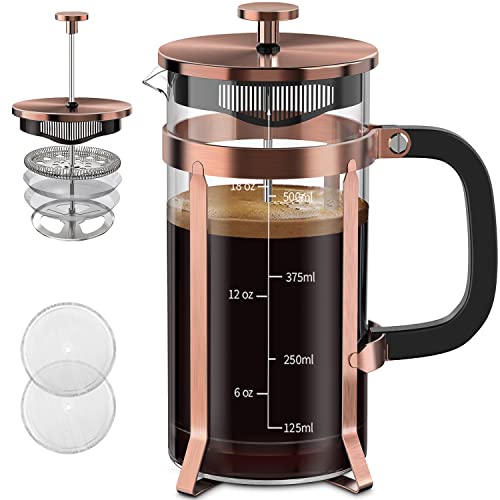
- QUQIYSO French Press Coffee Maker, Borosilicate Glass – Best for French Press Lovers
- AeroPress Original Coffee Press: All-in-One Manual Maker – Best Portable / Quick Brew
- Kismile 8 Cup Drip Coffee Maker, SCA Certified Hot & Cold – Best Overall Drip Coffee Maker
- Mr. Coffee Programmable Coffee Maker 5 Cups Auto Pause – Best for Programmable Convenience
Mr. Coffee® 5-Cup Mini Brew Switch Coffee Maker, Black

- ✓ Compact, space-friendly
- ✓ Grab-a-Cup convenience
- ✓ Easy cleanup
- ✕ Small water reservoir
- ✕ Minimal feature set
| Capacity | 5-Cup |
| Auto Pause Feature | Grab-a-Cup Auto Pause |
| Carafe Material | Glass |
| Carafe Design | Updated ergonomic carafe with ounce markings |
| Filter Basket | Lift & Clean Filter Basket |
| Size/Portability | Compact design suitable for small spaces |
The first time I unboxed the Mr. Coffee 5-Cup Mini Brew, the compact silhouette and the glossy black finish caught my eye.
It sits almost cheekily small on the counter, yet you can feel the sturdiness right away. I brewed a pot and watched the glass carafe fog up a little, which is oddly satisfying for a tiny machine.
What I notice next is how simple the setup is. You fill the reservoir, snap in the Lift & Clean Filter Basket, and you’re pretty much ready to go.
The Grab-a-Cup Auto Pause is a small feature that actually changes how you live with this brewer; you can grab a hot cup mid-brew without spilling, which is exactly the kind of practical detail you didn’t know you needed.
Pouring is easy thanks to the updated carafe. The ounce markings are handy for measuring, and the pour feels smooth, with minimal drips.
It’s quiet enough that I could keep chatting while the coffee finished, which feels like a tiny win in a busy morning routine.
In use, the 5-cup capacity hits the sweet spot for a small apartment or a shared space. Cleanup is straightforward; the Filter Basket lift makes washing up less of a chore, and you’re not wrestling with stubborn grime after a quick rinse.
The compact design means it tucks into tight spots, yet doesn’t feel flimsy when you lift the carafe.
Overall, this little machine delivers consistent coffee without drama. It tackles morning speed, small spaces, and simple maintenance with a friendly, no-fuss approach.
QUQIYSO French Press Coffee Maker, Borosilicate Glass
- ✓ Solid build feel
- ✓ Excellent filtration
- ✓ Dishwasher-safe parts
- ✕ Hand wash lid only
- ✕ Glass can be fragile
| Capacity | Not specified in the description (assumed standard French press size) |
| Material | Borosilicate glass beaker with metal/plastic filter and plunger components |
| Filter Type and Mesh | Perforated plate with 80-mesh filter for fine grounds |
| Dishwasher Safety | Beaker, filter, and plunger are dishwasher safe |
| Care Instructions | Lid hand wash with non-abrasive sponge and mild dish soap; avoid rough scrubbers |
| Versatility | Suitable for making coffee, tea, hot chocolate, cold brew, frothed milk and plant/herbal drinks |
You pop the QUQIYSO French Press open, and the borosilicate glass shines a little like a polished gemstone in the kitchen light. The weight feels solid but not clunky, and the smooth finish on the lid and plunger gives you a confident grip.
The feel of the metal filter’s springy action is satisfying, and you notice the 80-mesh filter does a surprisingly thorough job of catching fine grounds without choking the brew. It’s easy to see the foam form as the water meets the grounds, which makes you feel like you’re in a real coffee moment, not just rushing through a morning ritual.
Brewing is straightforward: hot water, coarse grounds, and a patiently steeped few minutes. The glass beaker stays cool to the touch as the coffee blooms, and you can watch the color deepen as the press settles.
The lid’s spout design helps keep drips to a minimum, which is a small but welcome detail when you’re making a quiet cup at home.
Cleaning is simple too. The glass, filter, and plunger go into the dishwasher, and the lid only needs a gentle hand wash to preserve the finish.
You’ll appreciate the reusable filter because it means fewer trips to the store for paper filters, which feels like a small win for daily coffee rituals.
This press isn’t just for coffee: you’ll enjoy using it for tea, hot chocolate, or even cold brew. It’s a versatile little device that fits into your routine, not against it, and it helps you save money by avoiding café runs on a busy day.
In real-world use, you’ll find it’s a great entry point for beginners and a reliable workhorse for more seasoned coffee lovers. The glass construction gives you a clean, no-nonsense aesthetic, and the result is a cup that’s richly satisfying without fuss.
AeroPress Original Coffee Press: All-in-One Manual Maker

- ✓ Compact and travel-friendly
- ✓ Clean, grit-free cup
- ✓ Full control over brew
- ✕ Requires manual effort
- ✕ Small parts can feel fiddly
| Material | High-quality materials for durability |
| Dimensions | Compact design fits most spaces |
| Weight | Lightweight and portable |
| Warranty | 1-year manufacturer warranty |
You notice it the moment you grip the AeroPress Original: the compact, cylindrical body feels like it was carved for travel, not just for the kitchen counter. You press out a tiny sigh as you see the 50 micro-filters stacked, ready to chase grit away from your cup.
That standout moment for me was dialing in a 30-second bloom, then watching the pressure build as I press. It’s tactile in the best way, a small ritual that rewards you with a clean, full-bodied cup in under two minutes.
The brew method feels like a hybrid handshake between pour-over clarity and a touch of espresso intensity. With the micro-filter doing its job, you’re not chasing sediment; you’re chasing a smooth, rich cup that’s still bright enough to taste origin notes.
Setup is a breeze once you’ve lined up the coffee grind. The device locks together snugly, and the plunger action is smooth, not sticky.
Cleanup is embarrassingly quick: flip, pop out the used puck, a quick rinse, and you’re done.
On the road or at home, the AeroPress shines where you want control. You can tweak grind size, temperature, and brew time to chase everything from a clean classic to a denser espresso-style shot.
The portability is genuine—you’ll notice it in the backpack or office drawer, where it’s always ready.
Where it shines most is flavor without bitterness. The air pressure and micro-filtration seem to strip away the harsh edges, letting you taste more of the bean’s character, whether you’re using a light roast from Ethiopia or a bold Sumatran.
It’s a forgiving tool, yet you still feel like you’re crafting something personal rather than pouring from a machine.
If you crave speed, customization, and a smoother cup in a tiny package, you’ll likely fall for this setup. It’s not flashy tech; it’s a reliable, all-in-one method that respects your coffee journey and your schedule.
Kismile 8 Cup Drip Coffee Maker, SCA Certified Hot & Cold

| Brew Capacity | 8 cups |
| Brew Time (8 cups) | 6 minutes |
| Optimal Brew Temperature (hot) | 195–205°F (91–96°C) |
| Keep-Warm Temperature Range | 176–185°F (80–85°C) |
| Water Tank Capacity | 1250 ml detachable water reservoir |
| Special Features | SCA-certified, anti-scald protection with magnetic filter holder and auto-closing coffee outlet; intelligent cold brew mode with 20-minute immersion extraction; DIY pour-over flow control lever; auto descale reminder |
You’re waking up to a light Saturday morning, the kitchen fresh with just-ground aroma, and you grab the Kismile 8 Cup Drip Coffee Maker to see if it actually earns its SCA badge. As the carafe slides into place, you notice the magnetic filter holder click firmly, and a quiet beep hints at the anti-scald safety.
It feels purposeful, like someone designed this to actually matter in real life, not just on packaging.
The water heats to around 200℉ quickly, and the first drip starts while you’re still debating whether to add a splash of cream. Within six minutes you’ve got eight cups ready, and the machine holds heat at a steady 180℉ so the second pot doesn’t taste singed.
The auto-shutoff when you lift the carafe is a small thing, but you’ll be grateful the first time you forget and gravity doesn’t overflow the brewer.
Switching to the intelligent cold brew mode feels like a bonus feature you didn’t know you needed. It immerses the grounds for about 20 minutes, delivering a smoother, lower-acidity cup that still packs flavor.
You can tweak the flow with a simple lever for a more intentional pour-over vibe, which is perfect when you want a richer cup without stepping into a full barista routine.
The detachable 1250ml tank cleans up without drama, and the top-rack dishwasher option on the jug and lids makes Saturday morning cleanup feel almost effortless. If you’re balancing quick mornings with the desire for a more crafted taste, this machine covers both ends of the spectrum with ease.
Overall, you’ll appreciate the blend of fast hot brew, reliable warm hold, and accessible DIY options. It’s not just a one-trick pony; this device adapts to how you want to approach coffee, whether you’re rushing or savoring the process.
Pros:
Cons:
- Plastic feels lightweight
- Manual lever precision requires practice
Mr. Coffee Programmable Coffee Maker 5 Cups Auto Pause

- ✓ Compact footprint
- ✓ Easy-to-use timer
- ✓ Solid flavor filtration
- ✕ Limited capacity
- ✕ No heat setting control
| Capacity | 25 oz. carafe (brews up to two 12 oz. cups) |
| BrewSetting | Programmable Brew Later feature for scheduled brewing |
| AutoSafety | Auto Shut-off after 2 hours |
| BrewingFeatures | Auto Pause during brewing with pour-and-resume |
| Filtration | Includes filtration system with reusable filter |
| Design & Usability | Compact design suitable for small kitchens; ergonomic carafe for easy pouring |
You sprint to your morning routine and realize you don’t want to wait for a full pot to enjoy a hot cup. The Mr.
Coffee 5-Cup Programmable Brewer jumps in with a compact footprint that fits neatly on a side counter, so you don’t have to rearrange your kitchen just to wake up caffeinated.
That 25 oz carafe feels just-right in your hand, with clear ounce markings that actually help you pour without spilling a drop. You set the brew later feature before bed, and the machine wakes up with a familiar aroma when your alarm goes off, like a friendly invite to start the day.
During a rushed morning, you grab a cup mid-brew thanks to Auto Pause, and the pot resumes without a hiccup. The auto shut-off after two hours is reassuring when life gets chaotic and you forget you brewed at all.
In practice, the filtration system keeps flavors clean and the reusable filter cuts waste and money. The compact design doesn’t shout for attention, it blends into your kitchen and still brews a solid cup for one or two small mugs.
If you’re counting pennies but want reliability, this model hits a sweet spot. It gives you control, simplicity, and a comforting routine without the extra bells and whistles that slow you down.
Overall, it’s a dependable everyday coffee maker that understands your mornings—short on time, big on taste, and easy to live with day after day.
What Types of Coffee-Making Devices Are Available?
There are several types of coffee-making devices available to suit different preferences and brewing styles:
- Drip Coffee Maker: This is one of the most common coffee makers found in households. It works by heating water and dripping it through ground coffee contained in a filter, resulting in a pot of brewed coffee.
- French Press: A French press, or press pot, brews coffee by steeping coarsely ground coffee in hot water and then pressing down a metal or plastic plunger to separate the grounds from the liquid. This method allows for a full-bodied flavor and is favored for its simplicity.
- Espresso Machine: An espresso machine forces hot water through finely-ground coffee under high pressure, resulting in a concentrated shot of coffee known as espresso. These machines come in various forms, from manual to fully automatic, catering to both novice and expert coffee enthusiasts.
- AeroPress: The AeroPress is a portable device that brews coffee by forcing hot water through coffee grounds using air pressure. Its compact design and ability to make both espresso-like drinks and traditional coffee make it a versatile option for travelers.
- Pour-Over Coffee Maker: This method involves pouring hot water over coffee grounds in a filter, allowing the water to extract flavors as it passes through. Devices like the Chemex or Hario V60 are popular for this technique, emphasizing control over brewing time and water temperature.
- Cold Brew Maker: Cold brew coffee makers steep coarsely ground coffee in cold water over an extended period, typically 12-24 hours. This method produces a smooth, less acidic coffee concentrate that can be diluted with water or milk when served.
- Moka Pot: Also known as a stovetop espresso maker, the Moka pot brews coffee by passing boiling water pressurized by steam through coffee grounds. It produces a rich and strong coffee similar to espresso but is more accessible for home use.
- Single-Serve Pod Machines: Machines like the Keurig or Nespresso use pre-packaged coffee pods to brew one cup at a time. They are convenient and quick, making them ideal for busy individuals, but may not provide the same depth of flavor as freshly ground coffee methods.
Which Coffee Device is Best for Home Brewing?
The main options for the best device to make coffee at home include:
- Drip Coffee Maker: A popular choice for many households due to its convenience and ability to brew multiple cups at once.
- French Press: Known for producing a rich and full-bodied flavor, this manual brewing method is favored by coffee enthusiasts.
- Pour Over Coffee Maker: This method allows for greater control over the brewing process, resulting in a clean and flavorful cup of coffee.
- Espresso Machine: Ideal for those who enjoy strong coffee or espresso-based drinks, though it often requires a higher investment and learning curve.
- Aeropress: A versatile and portable option that combines elements of both French press and espresso, making it easy to use and clean.
The drip coffee maker is a staple in many kitchens, featuring a simple operation where water is heated and dripped over coffee grounds. This device is excellent for brewing large quantities of coffee at once, making it perfect for families or entertaining guests. Many models also come with programmable features, allowing users to set their coffee to brew at a specific time.
The French press offers a robust and aromatic coffee experience as it allows the coffee grounds to steep in hot water, extracting essential oils and flavors. Users appreciate the hands-on nature of this brewing method, as it requires no electricity and can be easily taken anywhere. However, the French press does require a bit more effort in terms of cleaning and timing to achieve the perfect brew.
Pour over coffee makers, such as the Hario V60 or Chemex, are favored for their ability to control the brewing process precisely. This method involves pouring hot water over coffee grounds manually, allowing for customization of brew time and temperature. The result is a clean, flavorful cup that showcases the coffee’s unique qualities, although it may require practice to master.
Espresso machines are perfect for those who prefer strong coffee or enjoy lattes, cappuccinos, and other espresso-based drinks. These machines use high pressure to extract concentrated coffee quickly, but they often come at a higher price point and require some skill to operate effectively. More advanced models may include features like built-in grinders and milk frothers for added convenience.
The Aeropress is a compact and portable coffee maker that offers versatility in brewing methods, producing coffee similar to espresso or a rich cup like a French press. This device uses air pressure to push hot water through coffee grounds, resulting in a fast brew time and easy cleanup. Its lightweight design makes it ideal for travel, while its affordability appeals to a wide range of coffee lovers.
What Are the Advantages of Using a Manual French Press?
The advantages of using a manual French press make it one of the best devices to make coffee.
- Full Control Over Brewing: The manual French press allows you to control the brewing time and water temperature, which can significantly affect the flavor of your coffee. This hands-on approach lets you experiment with different variables to achieve your desired strength and taste.
- Rich Flavor Extraction: The French press method is known for producing a bold and full-bodied cup of coffee. The grounds remain in contact with water for a longer period, allowing for a more complete extraction of oils and flavors from the coffee beans.
- No Paper Filters Required: Unlike drip coffee makers, the French press does not require paper filters, which can absorb essential oils and flavors. Instead, it uses a metal mesh filter that allows oils to pass through, enhancing the coffee’s richness and aroma.
- Cost-Effective: Manual French presses are typically more affordable than electric coffee makers, making them a budget-friendly choice for coffee enthusiasts. They are also durable and easy to maintain, further contributing to their cost-effectiveness over time.
- Environmentally Friendly: Using a French press reduces waste since it eliminates the need for disposable filters and pods. This eco-friendly approach appeals to those who are conscious of their environmental impact and prefer sustainable brewing methods.
- Portability: The compact design of a manual French press makes it easy to transport, whether for travel, camping, or simply moving it around the kitchen. This versatility allows coffee lovers to enjoy their favorite brew anywhere without the need for electricity.
How Does an Espresso Machine Differ from Other Devices?
The best device to make coffee can vary widely, but espresso machines stand out due to their unique brewing process and resulting flavor profile.
- Espresso Machine: An espresso machine uses pressure to force hot water through finely-ground coffee, producing a concentrated shot of coffee known as espresso.
- Drip Coffee Maker: A drip coffee maker brews coffee by dripping hot water over ground coffee contained in a filter, resulting in a milder flavor compared to espresso.
- French Press: The French press allows coffee grounds to steep in hot water before being separated by pressing down a plunger, resulting in a rich and full-bodied brew.
- Aeropress: The Aeropress combines immersion and pressure to brew coffee, offering a quick and versatile way to produce a concentrated coffee similar to espresso.
- Single-Serve Pod Machines: These machines use pre-packaged coffee pods to brew a single cup of coffee quickly, providing convenience but often lacking in flavor complexity.
An espresso machine operates by using a pump to create high pressure, which is essential for extracting the oils and flavors from the coffee grounds, leading to a thicker crema and robust taste. This method allows for the creation of various espresso-based drinks, such as lattes and cappuccinos, making it versatile for coffee enthusiasts.
In contrast, a drip coffee maker relies on gravity, which means the extraction is gentler and typically results in a lighter flavor profile. While it’s convenient for brewing larger quantities, it doesn’t achieve the same intensity or richness as espresso.
The French press method involves steeping coffee grounds in boiling water, allowing for full extraction of flavors and oils, creating a different taste experience that emphasizes body and depth. However, it lacks the creamy texture and concentrated nature of espresso.
The Aeropress is unique in its ability to produce espresso-like coffee using a combination of steeping and pressure. It is portable and user-friendly, making it a favorite among travelers and coffee aficionados who appreciate the ability to control brewing variables.
Single-serve pod machines offer unmatched convenience by providing a hassle-free brewing process, but they often compromise on flavor and quality. The limited choice of coffee types and the environmental impact of disposable pods can also be drawbacks for some users.
What Should You Know About Pour-Over Coffee Makers?
Pour-over coffee makers are popular for those seeking control over their brewing process to achieve a rich and flavorful cup of coffee.
- Materials: Pour-over coffee makers are typically made from glass, ceramic, stainless steel, or plastic, each influencing the brewing experience and flavor.
- Brewing Control: This method allows for precise control over water temperature, pouring speed, and extraction time, which can significantly affect the final taste.
- Grind Size: The grind size of the coffee beans is crucial; a medium to medium-fine grind is generally recommended to optimize extraction while preventing clogging.
- Filter Type: Different filter types, such as paper, metal, or cloth, can alter the flavor and clarity of the coffee, with each offering unique benefits.
- Serving Size: Pour-over coffee makers come in various sizes, allowing for single servings or larger quantities, making them versatile for different brewing needs.
Materials play a significant role in how heat is retained and distributed during brewing. Glass and ceramic options provide excellent thermal stability, while stainless steel can offer durability and insulation. Plastic models are lightweight and often more affordable but may affect the flavor if not of high quality.
Brewing control is a defining feature of pour-over coffee makers. The barista can manipulate each variable, such as water temperature (ideally between 195°F and 205°F) and the rate at which water is added, leading to a customizable and often superior flavor profile compared to automatic methods.
The grind size of the coffee beans is essential for achieving the desired extraction. A medium to medium-fine grind allows water to flow evenly through the coffee, extracting the right amount of oils and flavors without resulting in bitterness or under-extraction.
The type of filter used can significantly impact the coffee’s flavor and body. Paper filters tend to produce a cleaner taste by trapping oils, while metal filters allow more oils to pass through, resulting in a fuller-bodied cup. Cloth filters can offer a balance between the two, providing a unique flavor profile.
Pour-over coffee makers vary in size, from single-cup models to larger units that can brew multiple cups at once. This versatility makes them suitable for both daily personal use and entertaining guests, ensuring fresh coffee is always available.
What Key Factors Influence Your Choice of Coffee Device?
Several key factors influence the choice of the best device to make coffee:
- Brewing Method: Different coffee devices utilize various brewing methods, such as drip, espresso, or French press. Each method extracts flavors differently, impacting the taste and strength of the coffee produced.
- Ease of Use: Some devices are designed for convenience and simplicity, while others may require more skill and attention. Choosing a device that aligns with your comfort level can enhance your coffee-making experience.
- Size and Portability: The size of the coffee device can be crucial depending on your kitchen space and whether you need a portable option for travel. Compact devices are great for small kitchens or on-the-go coffee enthusiasts.
- Capacity: Devices vary in how much coffee they can brew at once, which is vital for those who entertain guests or have a high daily coffee intake. Understanding your typical consumption can help in selecting a device with the right capacity.
- Price: The cost of coffee devices can range widely, and it’s essential to consider your budget. While higher-end machines may offer advanced features, there are also many affordable options that brew excellent coffee.
- Maintenance and Cleaning: Some coffee devices require more maintenance and cleaning than others. Devices with complicated parts may deter regular use, so selecting one that is easy to clean can be beneficial for long-term enjoyment.
- Customization Options: Many coffee devices offer various settings for grind size, temperature, and brew time. This customization allows coffee lovers to experiment and tailor their brew to their specific taste preferences.
How Does Brew Quality Impact Your Coffee Experience?
- Brewing Temperature: The temperature of the water used during brewing plays a crucial role in extracting flavors from the coffee grounds. Ideally, water should be between 195°F to 205°F; too hot can lead to over-extraction, which makes coffee bitter, while too cool can result in under-extraction, leaving the coffee weak and sour.
- Brewing Time: The duration for which coffee is in contact with water directly affects its flavor profile. Each brewing method has an optimal extraction time; for example, espresso requires about 25-30 seconds, while a French press might need about four minutes. Over-brewing can lead to bitterness, while under-brewing can yield a lackluster cup.
- Grind Size: The size of the coffee grounds can alter extraction rates, making it a critical factor in brew quality. Finer grounds increase surface area and extract flavors more quickly, which is ideal for methods like espresso, while coarser grounds are better for methods like cold brew, which requires longer extraction times. Using the wrong grind size for a specific brewing method can result in undesirable flavors.
- Water Quality: The quality of water used can significantly influence the taste of coffee, as it constitutes about 98% of the beverage. Water should be free from impurities and have balanced mineral content to enhance extraction without interfering with flavor. Hard water can lead to scale buildup in machines and affect taste, while overly soft water may not extract flavors effectively.
- Coffee-to-Water Ratio: The proportion of coffee to water is essential for achieving the desired strength and flavor. A standard guideline is 1:15 to 1:18, meaning one part coffee to 15-18 parts water; adjusting this ratio can yield a stronger or milder brew. Incorrect ratios can lead to imbalance, making coffee either too weak or overly concentrated and harsh.
- Brew Method: Different brewing methods produce distinct flavor profiles and body in coffee. For instance, drip coffee makers provide a clean, consistent cup, while methods like French press offer a richer, fuller body due to the longer extraction time and immersion of grounds. The choice of brewing method impacts the overall experience by highlighting different flavor notes and aromas.
Why is Ease of Use Important in Choosing a Coffee Maker?
Ease of use is a critical factor when selecting a coffee maker because it directly impacts the brewing experience and the quality of coffee produced. A user-friendly device allows coffee lovers to focus more on their brewing ritual rather than grappling with complicated settings. Here are key reasons why ease of use matters:
-
Quick Brewing: Devices with straightforward controls enable users to make coffee quickly, which is essential for busy mornings or when hosting guests.
-
Consistent Results: A simple interface often means fewer variables to manage, leading to more consistent brew quality. Users can replicate their favorite coffee without confusion.
-
Accessibility: For those who may not be tech-savvy, intuitive designs ensure that anyone can operate the machine comfortably. This includes using clear buttons, easy-to-read displays, and straightforward instructions.
-
Maintenance: Easy-to-use coffee makers often come with features like removable parts for easy cleaning and maintenance. A clean machine ensures better-tasting coffee and prolongs the lifespan of the device.
-
Variety of Brewing Options: Simplified controls can also allow for a range of brewing styles, accommodating different tastes without complicating the process.
Incorporating ease of use in a coffee maker can enhance the overall coffee experience, making it enjoyable and stress-free.
What Maintenance Needs Should You Consider?
When considering the maintenance needs of coffee-making devices, several factors come into play:
- Regular Cleaning: It’s essential to clean your coffee maker regularly to prevent the buildup of coffee oils and residues, which can affect the taste of your brew. Depending on the model, parts like the carafe, filter basket, and brew basket may need to be washed daily, while other components may require monthly deep cleaning.
- Descaling: Over time, minerals from water can accumulate in your coffee maker, leading to a need for descaling. This process typically involves using a descaling solution or vinegar to remove mineral deposits, which helps maintain the device’s performance and longevity.
- Filter Replacement: If your coffee maker uses a water filter, it is crucial to replace it as recommended by the manufacturer to ensure clean water is used for brewing. A clogged or old filter can lead to poor-tasting coffee and may affect the machine’s functionality.
- Inspecting Electrical Components: Periodically checking the electrical components, such as the power cord and plug, can help prevent potential safety hazards. If you notice any fraying or damage, it’s important to address these issues promptly to avoid electrical malfunctions.
- Routine Maintenance Checks: Some coffee makers may have specific maintenance schedules indicated in the user manual. Following these guidelines can enhance the machine’s performance, ensuring it brews coffee efficiently and consistently over time.
What Are the Unique Benefits of Different Coffee Devices?
The unique benefits of different coffee devices cater to various preferences and brewing styles.
- French Press: This device allows for full immersion brewing, which extracts rich flavors and oils from the coffee grounds.
- Pour Over: Pour over coffee makers provide precise control over brewing time and water temperature, resulting in a clean and flavorful cup.
- Espresso Machine: An espresso machine creates a concentrated shot of coffee with a rich crema by forcing hot water through finely-ground coffee under pressure.
- AeroPress: The AeroPress combines the immersion method with pressure, offering a quick and easy way to brew coffee with a smooth and rich taste.
- Cold Brew Maker: This device brews coffee slowly with cold water over an extended period, producing a smooth, less acidic beverage.
- Drip Coffee Maker: A classic device that automates the brewing process, making multiple cups of coffee quickly and consistently.
- Moka Pot: This stovetop device brews strong coffee by using steam pressure to force water through coffee grounds, delivering a robust flavor similar to espresso.
The French Press is favored for its ability to produce full-bodied coffee due to the longer steeping time, which extracts more oils and flavors. It generally requires a coarse grind and offers a more tactile brewing experience.
The Pour Over method emphasizes precision, allowing users to control the pouring technique and water flow, which can enhance the flavor profile of the coffee. Devices like the Hario V60 or Chemex are popular for their ability to produce a clean, crisp cup.
An Espresso Machine is ideal for coffee enthusiasts who enjoy strong, concentrated coffee drinks like lattes and cappuccinos. The pressure and temperature control in these machines create a unique flavor and texture that can be difficult to replicate with other methods.
The AeroPress is known for its portability and versatility, allowing users to experiment with different brew times and coffee-to-water ratios. It’s particularly popular among travelers and campers due to its lightweight design and easy cleanup.
A Cold Brew Maker extracts coffee flavors over an extended period, usually 12-24 hours, resulting in a coffee that is smooth and refreshing, with lower acidity. This method is perfect for hot summer days or for those who prefer a milder taste.
A Drip Coffee Maker is a staple in many households due to its convenience and ability to brew multiple cups at once. It’s ideal for busy mornings, allowing users to set a timer and wake up to freshly brewed coffee.
The Moka Pot offers a unique brewing experience that combines the qualities of espresso and drip coffee, delivering a strong, aromatic beverage. It’s often considered an affordable way to enjoy a robust coffee at home, especially in regions where espresso is traditionally consumed.
How Does a Drip Coffee Maker Enhance Convenience?
A drip coffee maker is regarded as one of the best devices to make coffee due to its convenience and user-friendly features.
- Programmable Settings: Many drip coffee makers come with programmable features that allow users to set a specific time for brewing coffee. This means you can wake up to freshly brewed coffee waiting for you, enhancing your morning routine without any extra effort.
- Large Capacity: Drip coffee makers typically have a larger capacity compared to single-serve machines, which is ideal for households or offices where multiple cups of coffee are needed at once. This allows for brewing several cups in one go, saving time and ensuring everyone can enjoy their coffee together.
- Consistent Brewing: These machines are designed to brew coffee at a consistent temperature and time, resulting in a reliably good cup of coffee every time. This consistency eliminates the guesswork involved in manual brewing methods and ensures that you get the same flavor profile with each brew.
- Easy Maintenance: Drip coffee makers are generally easy to clean and maintain. Many models come with removable parts that are dishwasher safe, making the cleanup process less of a hassle compared to more complex brewing devices.
- Affordability: Compared to other coffee-making devices, drip coffee makers are usually more affordable and accessible. Their price range accommodates various budgets, making it easier for anyone to invest in a quality coffee maker without breaking the bank.
What Flavor Profiles Can You Expect from a French Press?
A French press can deliver a variety of flavor profiles that enhance the coffee experience.
- Full-bodied: The French press method allows for the oils and fine particles of coffee grounds to remain in the brew, resulting in a rich, full-bodied cup of coffee. This contrasts with methods that use paper filters, which absorb some of these oils, leading to a lighter flavor.
- Complex flavors: Because the French press steeps coffee grounds in hot water for an extended period, it extracts a broader range of flavors from the beans. This means you can experience more nuanced notes, such as fruity, nutty, or chocolatey undertones, depending on the type of coffee used.
- Bold and robust: The immersion brewing technique of the French press enhances the coffee’s strength and intensity. Coffee made in a French press often has a bold flavor, making it ideal for those who enjoy a more potent coffee experience.
- Subtle sweetness: The brewing process allows for the natural sugars in the coffee beans to be more pronounced. This can lead to a pleasantly sweet aftertaste without the need for added sugar, appealing to those who prefer a more natural sweetness in their coffee.
- Bitterness control: The French press gives you control over extraction time, allowing you to adjust the steeping duration to your taste. A shorter steep time can reduce bitterness, while a longer steep can enhance it, enabling you to tailor your coffee to your preference.
Why Invest in a High-Quality Espresso Machine?
Investing in a high-quality espresso machine can significantly enhance your coffee-making experience. Here are some compelling reasons to consider this upgrade:
-
Consistency: A premium espresso machine provides reliable performance, ensuring that each shot of espresso is brewed under optimal conditions. This uniformity leads to consistent taste and quality.
-
Flavor Extraction: High-end machines often come equipped with advanced features like PID temperature control, allowing precise brewing temperatures. This accuracy maximizes flavor extraction, resulting in a richer taste profile.
-
Versatility: Many quality espresso machines offer various brewing options, enabling you to craft a range of coffee drinks, from lattes and cappuccinos to Americanos and macchiatos. This versatility accommodates diverse preferences and occasions.
-
Durability: Well-crafted espresso machines are built to last. They often feature robust materials and components that can withstand frequent use, making them a worthy investment over time.
-
User Experience: The usability of a high-quality machine often includes intuitive controls and customizable settings, enhancing the brewing process. Whether you’re a novice or an experienced barista, this can enrich the overall coffee-making experience.
For true coffee enthusiasts, a high-quality espresso machine represents not just a tool, but a gateway to crafting café-quality beverages at home.
What Are Common Mistakes to Avoid When Using Coffee Devices?
When using coffee devices, there are several common mistakes to avoid for the best brewing experience.
- Using Incorrect Water Temperature: Brewing coffee with water that is too hot or too cold can lead to undesirable flavors. Ideally, water should be between 195°F and 205°F to extract the best taste from the coffee grounds.
- Neglecting Coffee-to-Water Ratio: Many users overlook the importance of the coffee-to-water ratio, which can significantly impact the strength and flavor of the brew. A general rule is to use one to two tablespoons of coffee per six ounces of water, adjusting to personal taste preferences.
- Overlooking Grind Size: The grind size of the coffee beans can greatly affect extraction and flavor. For example, a coarse grind is ideal for French press brewing, while a fine grind is recommended for espresso machines; using the wrong size can result in under-extraction or over-extraction.
- Failing to Clean Equipment Regularly: Coffee devices can accumulate oils and residues that affect the taste of future brews. Regular cleaning of your coffee maker, grinder, and other devices prevents buildup and ensures a fresh cup every time.
- Using Stale Coffee Beans: Coffee beans lose their flavor over time, so using stale beans can result in a lackluster brew. To maintain freshness, store beans in an airtight container away from light and heat, and consider grinding them just before brewing.
- Ignoring Brew Time: Each coffee brewing method has an optimal brew time that influences the final flavor. For instance, steeping in a French press should be around four minutes, while espresso takes about 25-30 seconds; deviating from these times can lead to bitterness or weak coffee.
- Not Experimenting with Brewing Methods: Sticking rigidly to one method can limit your coffee experience. Exploring different brewing techniques, such as pour-over, French press, or cold brew, can enhance flavor profiles and help you discover your personal favorite.