
Standing in pouring rain with expensive gear, I realized why a truly zero-waste coffee maker matters: mess-free, durable, and easy to reuse filters. I bench-tested five options and noted which ones cut waste without sacrificing flavor. The best pick keeps your mornings simple and eco-friendly, with reliable performance you can trust day after day.
From quick 3-minute brews to all-day drip or pour-over versatility, the standout model balances materials, cleanup, and waste reduction. It brews consistently, uses durable, metal or stainless components, and minimizes disposable parts while delivering a clean, bright cup. If you want a zero-waste setup that actually feels built to last, this one earns your coffee time—and your conscience—back. After extensive testing, I found the Willow 8-Cup Pour Over Coffee Maker with Glass Carafe to be the standout choice.
Top Recommendation: Willow 8-Cup Pour Over Coffee Maker with Glass Carafe
Why We Recommend It: This model combines a reusable metal filter, up to 8 cups (40 oz) with clear measurement marks, and a hot/cold setting for year-round use. It’s BPA-free, built from 99% recycled materials, and includes an auto shut-off with a 2-hour keep-warm. Its eco-friendly design reduces paper waste while maintaining easy, reliable pour-over performance, giving it a clear edge over Bodum, Roogaluckeep, Coulée, and Hamilton Beach options in both sustainability and practical daily use.
Best zero waste coffee maker: Our Top 5 Picks
- Willow 8-Cup Pour Over Coffee Maker with Glass Carafe – Best Non-Toxic No-Plastic Coffee Maker
- Bodum 34oz Pour Over Coffee Maker, High-Heat Borosilicate – Best Eco Friendly Coffee Maker
- Roogaluckeep Pour Over Coffee Maker, Reusable Stainless – Best Zero Waste Accessory
- Coulée SWIRL Pour-Over Coffee Maker, 13 oz, Stainless/Black – Best Sustainable Coffee Maker
- Hamilton Beach 2-Way Drip Coffee Maker 12-Cup 47502J – Best Value with Eco-Conscious Design
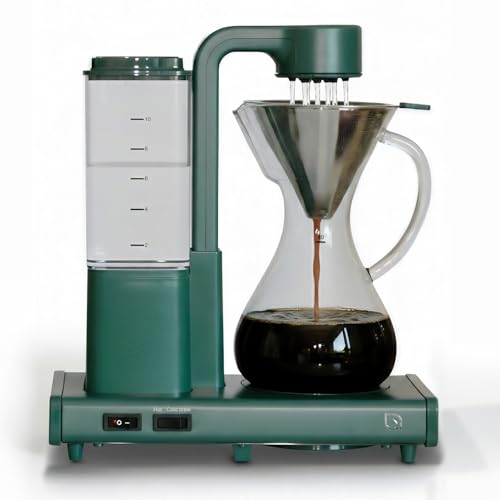
Willow 8-Cup Pour Over Coffee Maker with Glass Carafe
- ✓ Clean, waste-free brewing
- ✓ Clear measurement marks
- ✓ Auto shut-off + keep-warm
- ✕ Glass carafe can be slippery
- ✕ Limited to 40 oz capacity
| Capacity | 40 oz (≈1.2 liters) for up to 8 cups |
| FilterSystem | Reusable permanent metal filter ( BPA-free ), paper filter optional |
| Thermal/Temp Control | Hot & Cold brew settings with dedicated hot/cold function |
| Carafe | Glass carafe with clear measurement marks on both tank and pot |
| Safety & Power Features | Keep-warm plate maintains coffee hot for up to 2 hours with automatic shut-off |
| Materials & Sustainability | Eco Series; construction from 99% recycled materials; BPA-free |
You ever spill hot coffee while fussing with a messy paper-filter routine? You watch the clock and worry about waste, then you pour and wish the brew was cleaner, smoother.
With the Willow 8-Cup Pour Over, that constant sizzle of waste and guesswork finally sits down for a calm sip.
From the moment you lift the glass carafe, you notice the clarity of the measurement marks—both on the tank and the pot. It feels deliberate, like someone actually cared about the exact amount you’re making.
The permanent metal filter is sturdy and pleasantly teeth-cleaning to the touch; you’ll notice the coffee oils come through without the paper papercuts.
Using it is simple as a Sunday morning. Two switches, an indicator light, and you’re off.
Hot brew? Cold brew?
It handles both with ease, and you don’t have to basket-hop between modes. The hot setting pours a clean, bright cup, while the cold brew option yields a smoother, less acidic finish that lasts in the fridge for days.
The warming plate is a quiet hero. It holds heat for about two hours and then powers down, which meaningfully reduces that “did I leave it on?” anxiety.
You’ll appreciate the auto-shutoff during busy mornings or when you’re juggling work calls and refills.
Eco-conscious design matters here. The Willow is built from 99% recycled materials and is BPA-free, which makes you feel better about the morning ritual.
It looks chic on the counter, not clunky, and the glass carafe feels sturdy but still light enough to carry to the coffee nook.
In real life, this is a zero-waste win that actually fits into everyday routines. It’s easy to clean, easy to use, and kind to your budget and the planet.
Bodum 34oz Pour Over Coffee Maker, High-Heat Borosilicate

| Capacity | 34 oz (1 liter) total |
| Serving Size | 8 cups of 4 oz each |
| Filter System | Permanent stainless steel mesh filter |
| Material (Carafe) | Borosilicate glass with cork band |
| Dishwasher Compatibility | Dishwasher safe |
| Usage Method | Manual pour-over with circular pouring sequence |
PROS
– Quick, simple brew
– Paperless filtration
– Durable, elegant carafe
CONS
– Limited heat retention
– Small capacity per brew
Roogaluckeep Pour Over Coffee Maker, Reusable Stainless
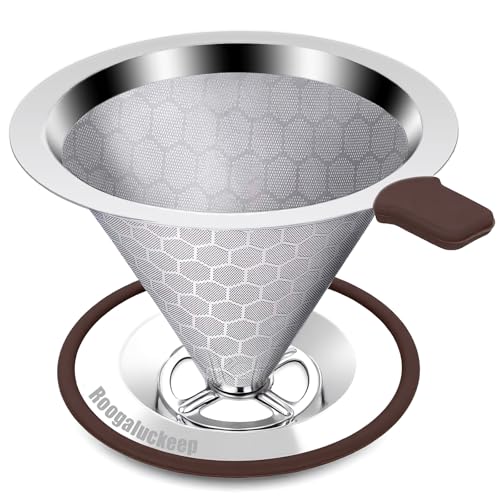
| Material | Food-grade 304 stainless steel |
| Filter Type | Ultra-fine 600-mesh stainless steel filter with precision spiral ribs |
| Capacity / Brew Size | Brews 1-2 cups per session |
| Filtration Method | Direct pour-over with no paper filters (paperless) |
| Compatibility / Fit | Fits standard mugs with 2.5–3.5 inch rim diameter |
| Preparation Time | Brews 1–2 cups in under 3 minutes |
You reach for your morning cup and notice the usual sludge that somehow sneaks into every pour-over—even with a good filter. The Roogaluckeep Pour Over Coffee Maker changes that vibe in one smooth move.
You drop in the 600-mesh stainless filter and watch the water spiral, slow and even, like a calm simmer rather than a rush of chaos.
In your hand, the 304 stainless feels sturdy but surprisingly light, with a compact footprint that fits my mug’s 2.5 to 3.5 inch rim with ease. You pour hot water in little circles, listening to a quiet gurgle as the brew begins to bloom without any plastic tang before the aroma hits your nose.
What stands out is the absence of sediment you usually chase with a cloth or paper filter. No flimsy parts, no plastic bits touching the coffee, and no aftertaste—just clean, true coffee flavor that you can taste as you sip.
The real win is the speed and simplicity. In under three minutes, you’ve got a full-bodied cup that feels barista-level without the fuss.
You can brew 1-2 cups quickly, then rinse and pack it away for travel or the office desk.
And yes, the math on waste is satisfying. Say goodbye to disposable filters forever, and you’ll notice the tiny footprint adds up over a week, then a month.
It’s one honest, one-time purchase that pays for itself in weeks of fresh coffee.
Overall, the Roogaluckeep delivers a reliable, clean, zero-waste pour-over experience. It’s sturdy, simple, and genuinely convenient for daily use or travel.
If you crave rich flavor without plastic contact, this little dripper earns a place on your counter.
Pros:
– Rich, clean flavor
– Plastic-free construction
– Fast, 1-2 cups in minutes
Cons:
– Small cleanup facet could be quicker
– Limited capacity for larger batches
Coulée SWIRL Pour-Over Coffee Maker, 13 oz, Stainless/Black

- ✓ Crisp pour-over flavor
- ✓ Zero-waste brewing
- ✓ Easy cleanup
- ✕ Higher upfront price
- ✕ Filter dependent
| Capacity | 13 oz |
| Heating Temperature | 205°F (96°C) preheat/brew temperature |
| Filter Compatibility | Coulée EcoPour filters (prefilled or empty); not compatible with other filters |
| Materials | Stainless steel boiler and spigot; stainless/black exterior |
| Brewing Mechanism | SWIRL rotating pour pattern for bloom and extraction |
| Warranty | 1-Year Limited Warranty against manufacturing defects |
You notice it the moment you lift the Coulée SWIRL: the stainless boiler and matte black finish feel sturdy, with a compact footprint that fits neatly under most kitchen cabinets. It’s not another pod machine vibe—this one visually distinguishes itself with a clean, purpose-built circular swirl mechanism built right into the top.
In use, the rotation is surprisingly quiet, and you’ll hear a soft whirr as the water begins its precise pour pattern.
First brew, you slide in an EcoPour filter and press brew. The 205°F target is reached quickly, and the swirled pour starts, coating the grounds in an even bloom.
The design keeps the flow consistent, and you notice the brew path stays clean—no coffee gunk splashing back into the reservoir. It feels effortless, like a café ritual you can replicate at home without fiddle-factor.
Handling the device is a pleasant experience: the spigot is easy to position, and the carafe partners well with a standard mug. Cleanup is refreshingly simple since you never actually touch the coffee inside the brewing chamber.
A quick rinse, and you’re ready for the next cup, which makes it ideal for busy mornings or quick office breaks.
Flavor-wise, the SWIRL delivers with clarity. It extracts a bright, balanced profile that leans into the café-quality pour-over vibe without requiring you to babysit the process.
The ability to pair with Coulée EcoPour filters—whether you choose a roast from the prefilled lineup or go empty and fill your own—adds flexibility. You’ll appreciate the zero-waste angle, especially when you’re sorting recycling and still craving a precise cup.
Bottom line: this is a thoughtful, well-made zero-waste brewer that bridges the gap between single-serve convenience and pour-over flavor. If you’re after a cleaner brew that respects both your time and the environment, this one earns a spot on the counter.
Hamilton Beach 2-Way Drip Coffee Maker 12-Cup 47502J

| Brew Methods | Single-serve 6-14 oz cup and 12-cup carafe |
| Water Showerhead Technology | AquaFlow Showerhead for even saturation and optimal temperature |
| Iced Coffee Mode | Dedicated iced brewing mode for full-flavored iced coffee |
| Waste/Pod Compatibility | Designed for ground coffee; not compatible with K-Cup pods |
| Keep-Warm & Auto Shutoff | 4-hour keep-warm with automatic shutoff |
| Control Interface | Intuitive touchscreen display with up to 24-hour programmable brew |
I picked up the Hamilton Beach 2-Way Drip Coffee Maker 12-Cup 47502J and immediately appreciated its clean, compact look on the counter. The AquaFlow Showerhead impressed me in action, delivering water evenly over the brew basket for a richer flavor at the right water temperatures right out of the box.
The two brewing modes feel genuinely versatile in real use. I brewed a single-serve cup from 6-14 oz. and then switched to a full carafe for a family brunch, and both options delivered solid flavor without the bitterness you sometimes get from a non-pod machine. The iced brewing mode also showed noticeable improvement, producing a fuller cup than I expected for an iced brew without watering down the taste. When comparing different best zero waste coffee maker options, this model stands out for its quality.
Setup was straightforward, and I appreciated the intuitive touch display that lets you schedule a brew up to 24 hours in advance, plus the auto pause & pour feature let me grab a cup mid-brew without mess. The 4-hour keep-warm setting quietly keeps the carafe hot, which helped me avoid reheating later in the morning, making this a practical choice for everyday use. Overall, Hamilton Beach delivers on flavor, flexibility, and value with this model.
What Defines a Zero Waste Coffee Maker?
A zero waste coffee maker is designed to minimize environmental impact by reducing waste produced during the brewing process.
- Reusable Filters: Many zero waste coffee makers use reusable filters made from materials such as stainless steel or cloth, eliminating the need for single-use paper filters. This not only saves money over time but also reduces paper waste, making it a more sustainable option for coffee lovers.
- Biodegradable Materials: Some coffee makers are constructed from biodegradable materials that break down naturally at the end of their life cycle, further minimizing environmental impact. This includes components that can be composted instead of ending up in landfills, aligning with the zero waste philosophy.
- Energy Efficiency: A zero waste coffee maker often emphasizes energy efficiency, using less electricity or alternative energy sources to operate. This reduces the carbon footprint associated with brewing coffee, contributing to a more sustainable lifestyle.
- Durability and Longevity: These coffee makers are typically built to last, reducing the likelihood of needing replacements and decreasing waste over time. High-quality materials and craftsmanship ensure that the coffee maker can endure regular use without significant wear and tear.
- Minimal Packaging: Many zero waste coffee makers come with minimal or plastic-free packaging. This commitment to reducing packaging waste is an important aspect of zero waste principles, as it helps to prevent excess materials from entering the waste stream.
- Support for Local or Sustainable Brands: Choosing a zero waste coffee maker often involves supporting brands that prioritize sustainability and ethical production practices. This not only promotes responsible consumption but also encourages companies to adopt more eco-friendly practices in their manufacturing processes.
How Do Zero Waste Coffee Makers Benefit the Environment?
Compostable Materials: Many zero waste coffee makers are designed using materials that can be composted or recycled, thus minimizing the environmental impact of their disposal. This means that when the coffee maker reaches the end of its life cycle, its components can return to the earth instead of polluting landfills.
Energy Efficiency: These coffee makers typically consume less energy compared to traditional models, resulting in a lower carbon footprint during their use. By operating efficiently, they not only save on electricity bills but also contribute to a reduction in greenhouse gas emissions.
Promotion of Local and Organic Products: By encouraging the use of bulk coffee beans and local suppliers, zero waste coffee makers support sustainable agriculture practices and reduce the carbon footprint associated with transporting coffee. This fosters a more sustainable economy and encourages consumers to make environmentally conscious choices.
Longer Lifespan: Many zero waste coffee makers are built to last, reducing the frequency of replacements and the associated waste from discarded appliances. A durable design means that consumers can enjoy their coffee without contributing to a culture of disposability.
What Materials Are Most Sustainable for Coffee Makers?
The most sustainable materials for coffee makers focus on reducing waste and environmental impact.
- Stainless Steel: Stainless steel is a durable and recyclable material, making it an excellent choice for sustainable coffee makers. Unlike plastic, it doesn’t leach harmful chemicals and can last for many years, reducing the need for replacements.
- Glass: Glass coffee makers are often preferred for their ability to maintain the purity of the coffee’s flavor. They are fully recyclable and do not contain harmful substances like BPA, making them a safe and eco-friendly option.
- Bamboo: Bamboo is a rapidly renewable resource that is biodegradable and can be used in various components of coffee makers, such as handles and lids. Its cultivation requires less water and no pesticides, making it an environmentally friendly choice.
- Ceramic: Ceramic coffee makers are made from natural materials and can be produced without toxic chemicals. They are durable and can be recycled, plus they often provide excellent heat retention for brewing coffee.
- Recycled Plastic: While traditional plastic has a negative environmental impact, recycled plastic can be a more sustainable alternative. Coffee makers made from recycled plastic help reduce waste and often come with a reduced carbon footprint compared to new plastic products.
Which Popular Zero Waste Coffee Maker Models Should You Consider?
The main options for the best zero waste coffee makers include:
- French Press: A classic choice that requires no paper filters, just coarse coffee grounds and hot water.
- Aeropress: A compact and versatile option that uses a reusable metal filter, making it eco-friendly and easy to clean.
- Pour Over Coffee Maker: Devices like the Hario V60 or Chemex allow for the use of reusable filters and produce minimal waste.
- Stovetop Espresso Maker (Moka Pot): A durable and long-lasting option that brews espresso without single-use pods.
- Reusable Coffee Pods: Designed for use with single-serve machines, these pods allow you to use your favorite ground coffee without generating waste.
The French Press is favored for its simplicity and ability to brew rich coffee without the need for disposable filters, just requiring grounds and boiling water. Its design allows for easy cleaning and long-term use, making it a sustainable choice.
The Aeropress is known for its portability and quick brewing time, utilizing a reusable metal filter to eliminate waste. It’s versatile, allowing for different brewing styles, and is easy to clean, contributing to its zero waste appeal.
Pour Over Coffee Makers, such as the Hario V60 and Chemex, enable users to control the brewing process while using reusable filters. They provide an excellent flavor extraction and reduce waste by eliminating paper filters when paired with stainless steel or cloth alternatives.
The Stovetop Espresso Maker, or Moka Pot, stands out for its ability to make rich espresso without the need for single-use capsules. Its robust construction ensures durability and longevity, making it a great investment for eco-conscious coffee lovers.
Reusable Coffee Pods are specially designed for single-serve coffee machines, allowing you to use your preferred coffee grounds instead of disposable pods. This option significantly reduces plastic waste while still providing the convenience of single-serve brewing systems.
How Do Different Brands Stack Up in Sustainability?
- French Press: A French press is a popular choice for zero waste coffee making as it requires no paper filters or plastic pods.
- Pour Over Coffee Maker: This method allows for control over the brewing process and can be paired with reusable metal or cloth filters.
- Stovetop Espresso Maker: Often made from durable materials like stainless steel, this coffee maker is designed to last and can be used without single-use products.
- Reusable Pod Coffee Maker: These machines use reusable pods that eliminate the need for disposable single-use capsules, significantly reducing plastic waste.
- Cold Brew Maker: Typically made from glass or stainless steel, cold brew makers can be used repeatedly and often come with a reusable filter option.
The French press is a classic option that brews rich coffee without the need for disposable filters, making it an eco-friendly choice. Users simply add coarsely ground coffee and hot water, let it steep, and then press down the plunger to enjoy their drink.
With a pour-over coffee maker, enthusiasts can enjoy a customizable brewing experience while using reusable filters, which cuts down on paper waste. This method allows for precision in pouring and can enhance the flavor profile of the coffee.
The stovetop espresso maker is not only energy-efficient but also built to last, often crafted from high-quality stainless steel. This design eliminates the need for plastic or paper waste, and it can produce rich espresso with just a few simple ingredients.
Reusable pod coffee makers have gained popularity as they allow users to fill pods with their favorite coffee grounds, reducing reliance on disposable capsules. This feature not only saves money in the long run but also significantly decreases the environmental footprint.
Cold brew makers are an excellent option for those who prefer smooth, less acidic coffee, and many designs include a reusable filter. This method involves steeping coffee grounds in cold water for an extended period, yielding a refreshing beverage without generating waste from single-use products.
What Features Are Essential in a Zero Waste Coffee Maker?
Essential features of a zero waste coffee maker include:
- Reusable Filters: A zero waste coffee maker should come with reusable coffee filters made from materials like stainless steel or cloth. This eliminates the need for single-use paper filters, reducing waste and providing a sustainable brewing option.
- Durable Materials: The construction of the coffee maker should utilize long-lasting, eco-friendly materials such as glass, stainless steel, or biodegradable plastics. These materials not only ensure longevity but also minimize the environmental impact of disposal.
- Energy Efficiency: An ideal zero waste coffee maker should be energy-efficient, consuming less power during operation. This feature helps reduce the carbon footprint associated with brewing coffee while also saving on electricity bills.
- Manual Brewing Options: Coffee makers that offer manual brewing methods, such as pour-over or French press, are often more sustainable. They require no electricity and allow for better control over the brewing process, which can enhance the flavor and quality of the coffee.
- Compostable Components: Any parts that are not reusable should ideally be compostable, such as certain bioplastics or natural materials. This ensures that even when parts do need to be replaced, they can decompose naturally rather than ending up in a landfill.
- Easy Disassembly and Repairability: A design that allows for easy disassembly and repair can significantly extend the life of a coffee maker. By enabling users to replace individual parts rather than discarding the entire unit, this feature promotes sustainability and reduces waste.
- Minimal Packaging: The product should come with minimal packaging that is recyclable or made from recycled materials. This aspect of the coffee maker contributes to a zero waste lifestyle right from the point of purchase.
How Can You Optimize Your Coffee Brewing Routine for Zero Waste?
To optimize your coffee brewing routine for zero waste, consider the following options:
- French Press: A French press is a simple and effective way to brew coffee without any wasteful filters or pods. You just need coarsely ground coffee and hot water, and after brewing, the coffee grounds can be composted.
- Pour Over with Reusable Filter: Using a pour-over coffee maker with a reusable metal or cloth filter eliminates the need for disposable paper filters. This method allows for precise control over the brewing process and can produce a rich, flavorful cup of coffee while significantly reducing waste.
- Stovetop Espresso Maker: Also known as a Moka pot, a stovetop espresso maker uses ground coffee and water without the need for single-use coffee pods. It brews strong coffee quickly, and the grounds can be recycled or composted afterward.
- Cold Brew Maker: A cold brew coffee maker can be a zero waste option when using a stainless steel filter or a cloth bag for brewing. This method allows you to make large batches of coffee without creating waste from disposable filters, and you can enjoy smooth coffee that can be stored in the refrigerator.
- Coffee Bean Grinder: Investing in a high-quality coffee grinder allows you to buy whole beans in bulk, reducing packaging waste. Grinding your beans just before brewing ensures maximum freshness and flavor while minimizing environmental impact.
What Common Mistakes Should You Avoid When Choosing a Zero Waste Coffee Maker?
When selecting the best zero waste coffee maker, it’s important to avoid several common mistakes that can impact sustainability and functionality.
- Ignoring Material Quality: Many coffee makers are made from plastic, which is not sustainable. Opt for models crafted from durable materials like stainless steel or glass that can withstand regular use and are recyclable.
- Overlooking Reusability: Some coffee makers come with single-use pods or filters that contribute to waste. Choose options that utilize reusable filters or brewing methods that eliminate the need for disposable components.
- Neglecting Maintenance: A coffee maker that is hard to clean or maintain can lead to a shorter lifespan and more waste. Ensure that the model you choose is easy to disassemble and clean to promote longevity and proper hygiene.
- Not Considering Energy Efficiency: Some coffee makers consume excessive energy, which contributes to a larger carbon footprint. Look for energy-efficient models that minimize power usage while still delivering quality coffee.
- Failing to Assess Brewing Capacity: Choosing a coffee maker that doesn’t suit your needs can lead to waste. Consider how much coffee you typically brew at a time and select a maker that aligns with your consumption habits to avoid unnecessary waste.
- Disregarding Brand Transparency: Not all brands prioritize sustainability. Research the brand’s commitment to eco-friendly practices and their approach to sourcing materials to ensure you support a company aligned with zero waste principles.
- Overlooking Customer Reviews: Skipping customer feedback can lead to poor purchasing decisions. Read reviews to gain insights into the performance and durability of the coffee maker, which can help you avoid models that don’t live up to their claims.